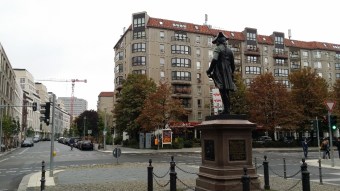
I assume in writing this that anyone who wants to visit the Bendlerblock will know the history of the July Plot. If not, here’s your homework: https://en.wikipedia.org/wiki/20_July_plot
A visit to the Bendlerblock is, IMO, a must. As the centre of the July Plot in 1944 it has its place in history but unlike many other such buildings, it still exists in pretty much its original form, despite some serious damage in 1945 as you would expect. It has been tarted up a little but the layout remains the same and you can walk in off the street, free of charge, and be – as opposed to see – where it all happened. You can wander though the offices of all the major conspirators and if the mood takes you, you can even piddle in their dunny (it’s just down the corridor from von Stauffenberg’s office). There were pistol fights in the corridors of the building but I could find no evidence of damage. There is also an excellent exhibition of the German Resistance to Hitler (and its consequences). You’ll need at least half a day if you are to get the full value of your visit.
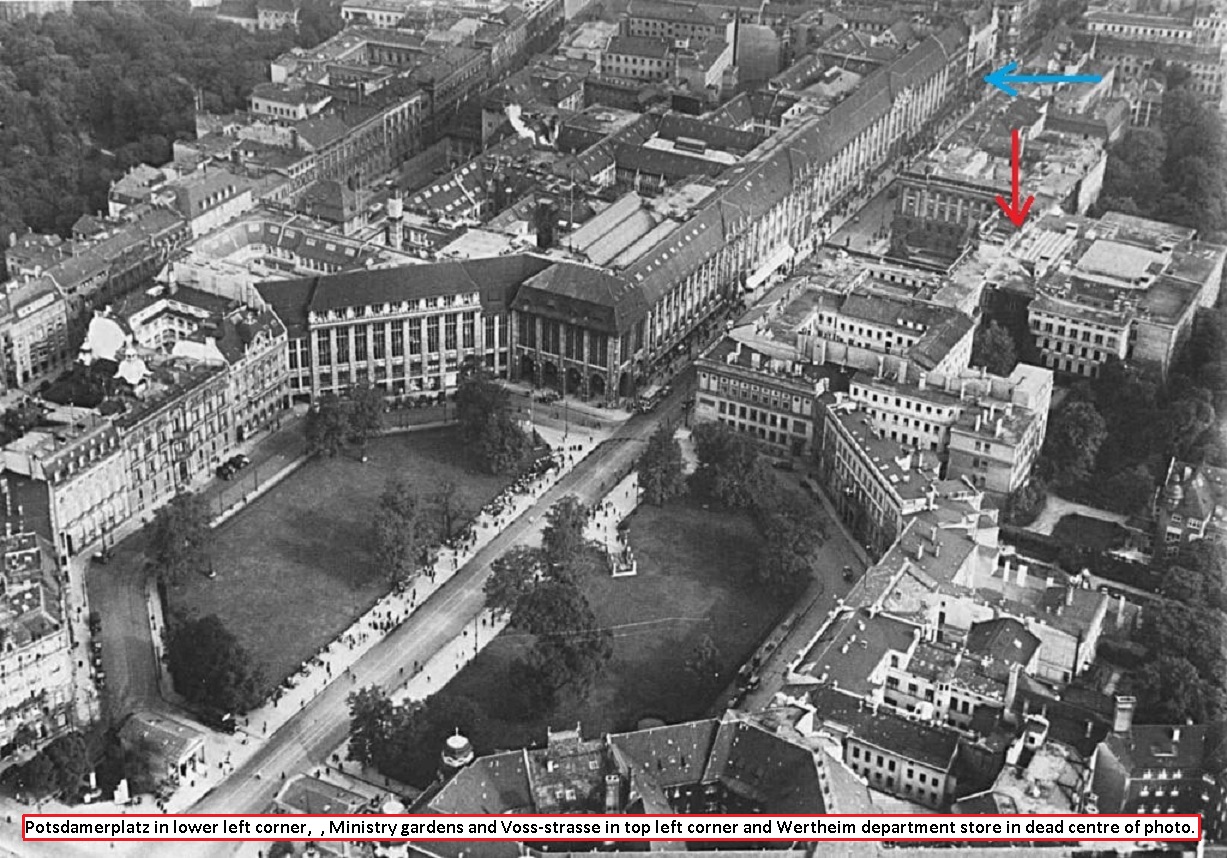
Blue Line on map:
To get to the Bendlerblock from Potsdamerplatz you have a choice. You can walk back up Ebertstrasse in the direction of the Brandenburg Gate until you get to Bellevuestrasse (only a hundred metres or so from memory), turn left into Bellevuestrasse and walk up to where Tiergartenstrasse joins Lennestrasse and turn left again. Then it’s a straight walk along Tiergartenstrasse until you turn left again into Stauffenbergstrasse (wonder where they got that name?) which will take you to the Bendlerblock. The advantage of this route is that it passes (on your left) the Memorial to the Victims of the T4 (Euthenasia) Program (which I have twice forgotten to photograph):
https://www.visitberlin.de/en/t4-memorial-and-information-centre-victims-nazi-euthanasia-programme
Red Line on Map:
Or you can take the B1 (aka Potsdamerstrasse) from Potsdamerplatz and follow it as far as Sigismundstrasse where you turn right and follow it up to Stauffenbergstrasse where you turn left. The advantage of this route is that you pass St Matthaus Kirche which was severely knocked around during the final battles for the government district in April, 1945. Dietrich Bonhoeffer, who looms large in the narrative of Resistance to the Nazis, was pastor here from 1931:
https://de.wikipedia.org/wiki/Dietrich_Bonhoeffer

This is the frontage of the building which faces the Landwehr Canal:
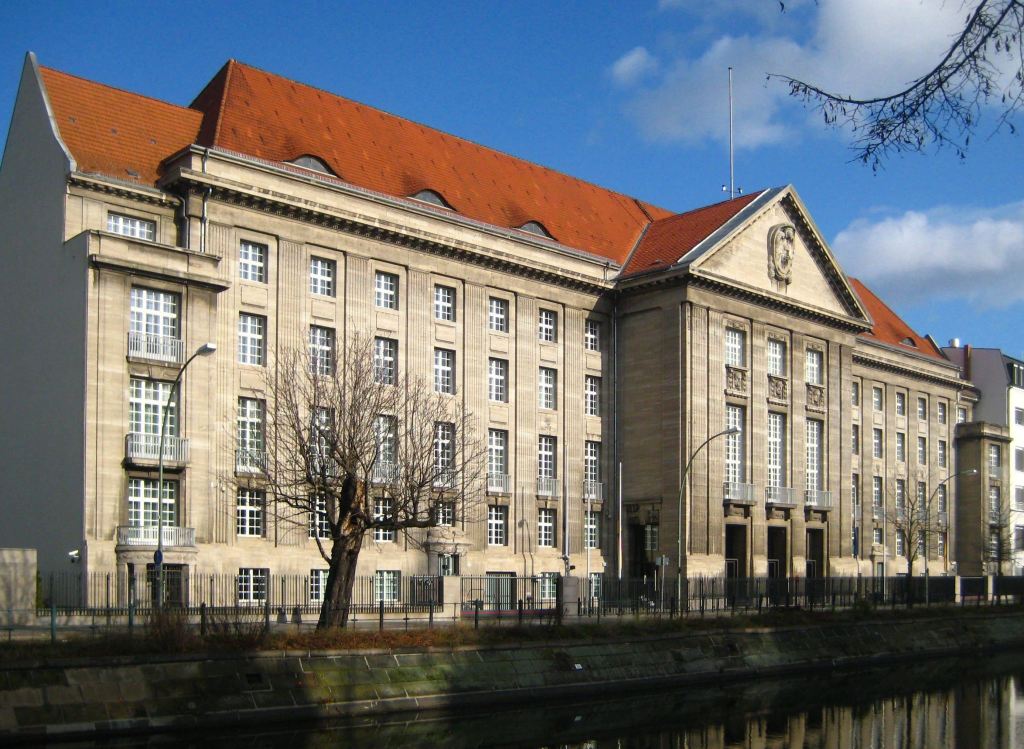
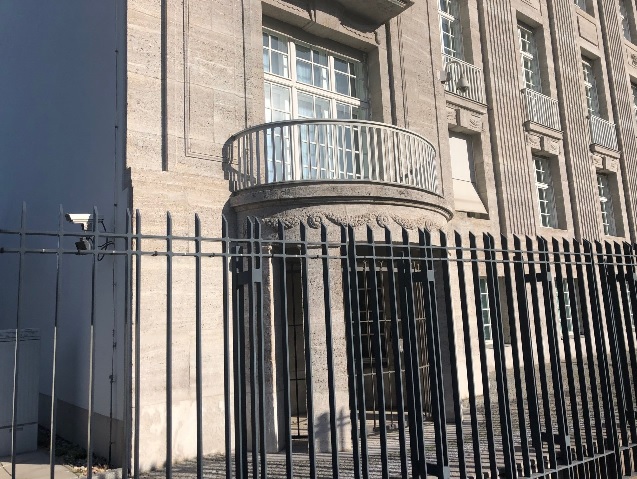
On the extreme lower left of this photo you can see a round portico with a silver railing. When we were walking past in c. 1976, one of the locals told us that that was Canaris’ office and that he used to occasionally come outside onto that balcony and talk to passers-by.
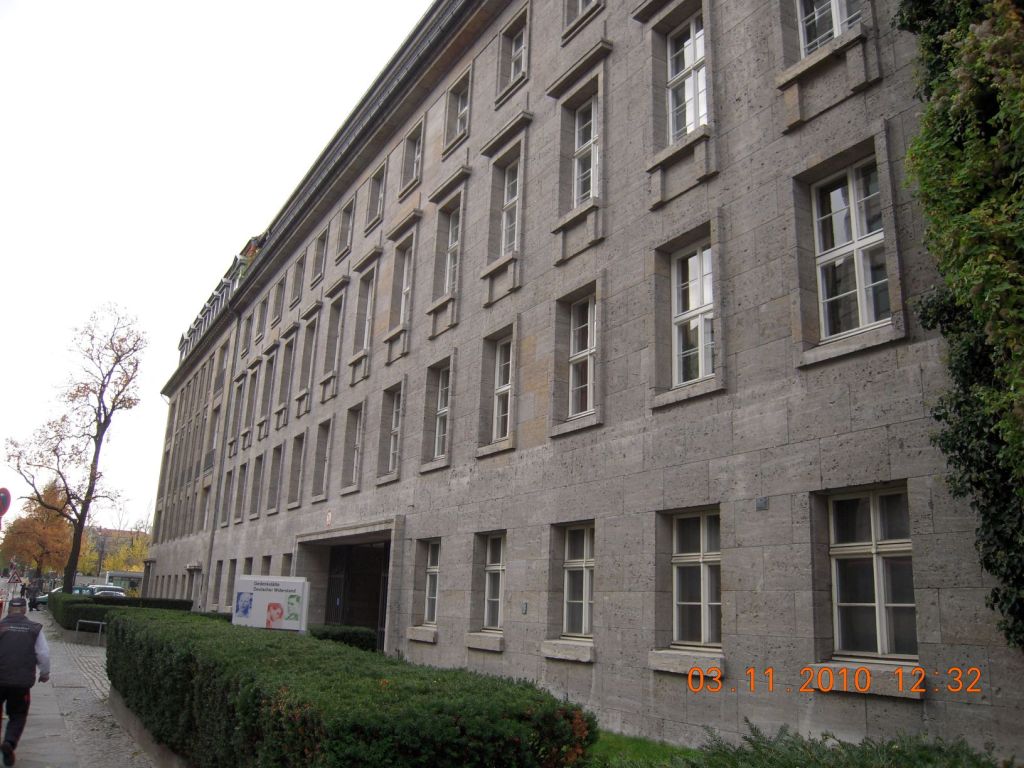
You however will come in the entrance on Stauffenbergstrasse:
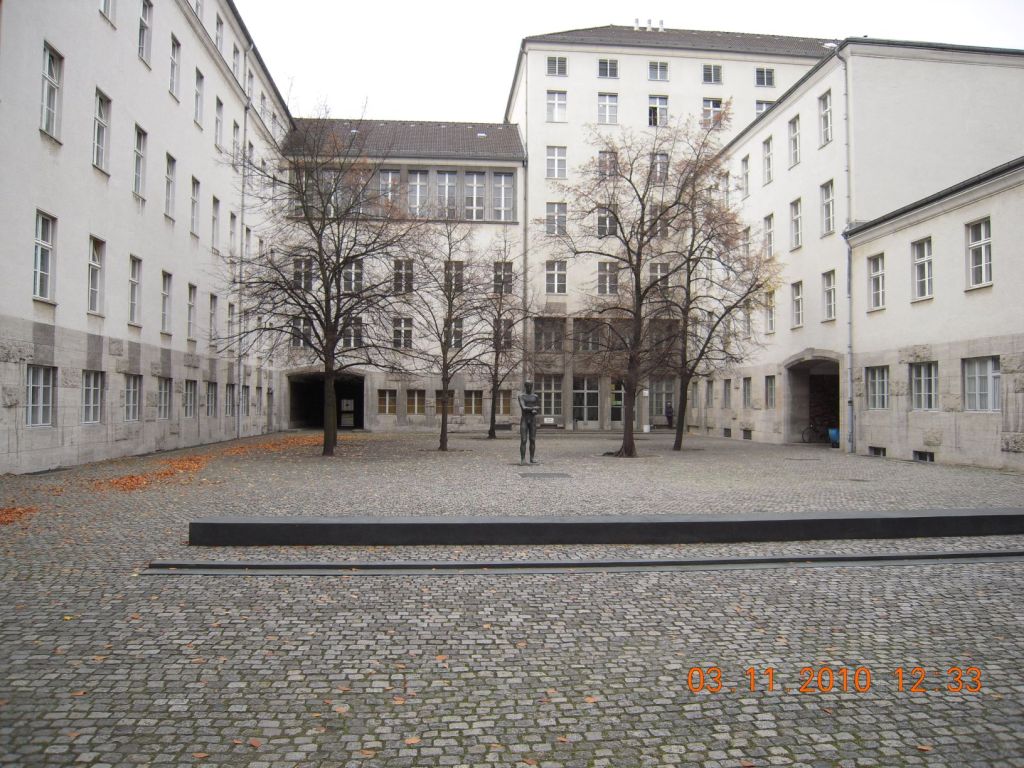
And this is what you will see – the very spot where the conspirators were executed:
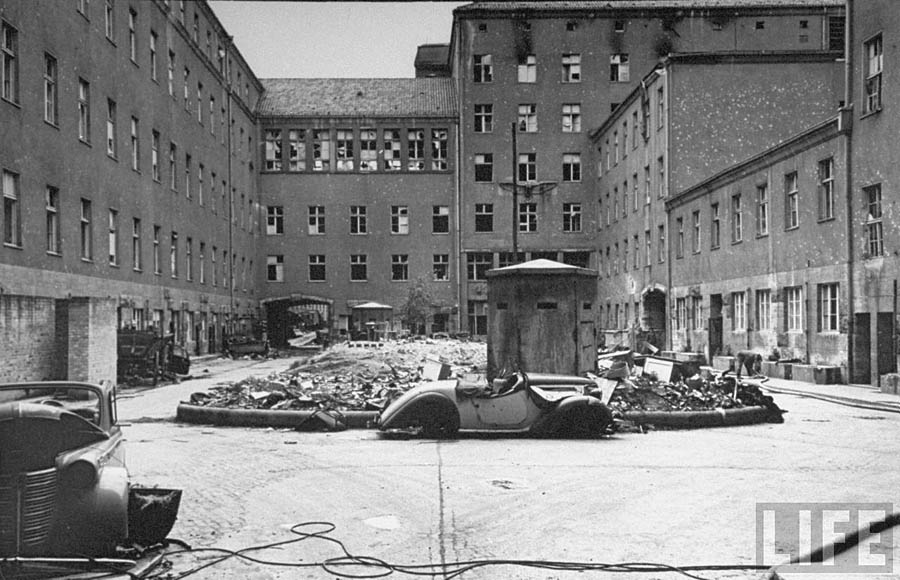
And this is what it looked like in April/May 1945:
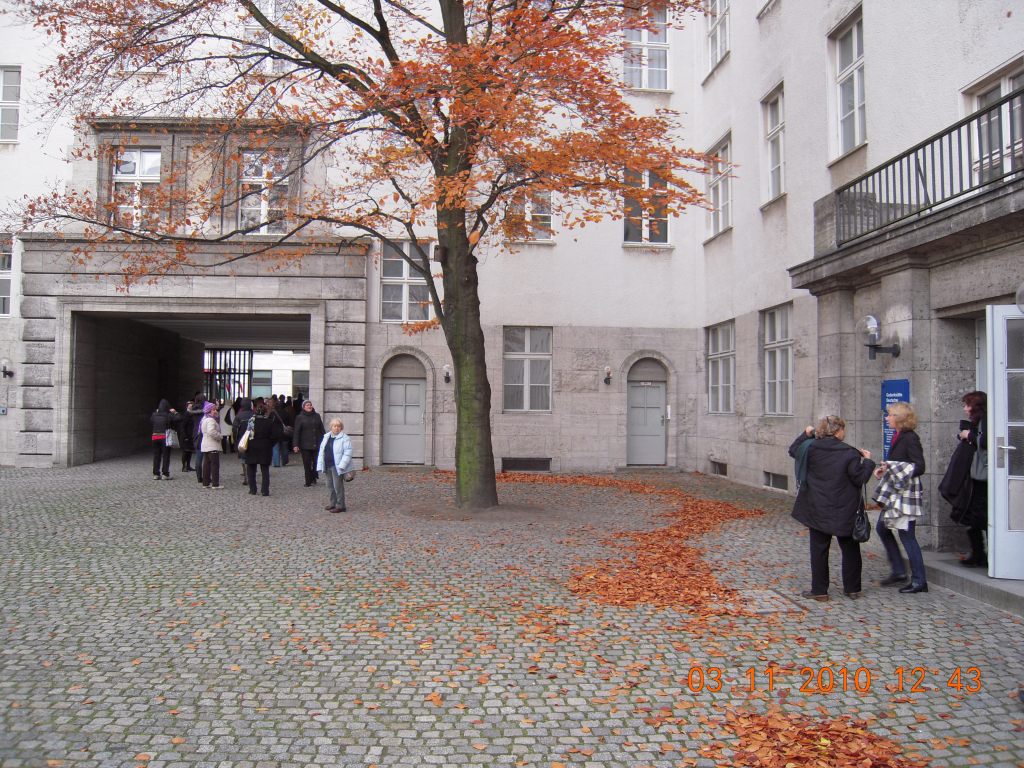
If you walk to the end of the courtyard and turn around, you will see this:
And had you been there on the morning of July 21, 1944, you would have seen this (minus the tourists of course):

The SS officer raising his hand is generally acknowledged to be Otto Skorzeny. When you enter the building, you go in through this door. If you look closely, you’ll see the only significant difference between the period photo and the modern photo is the tree. That indicates, I think, how little the place has changed. You will be standing in the place of execution and you will probably realize as I did how small the area is. I paced it out and I think it was about thirty paces from wall to wall so the condemned would have been shot at very close range.
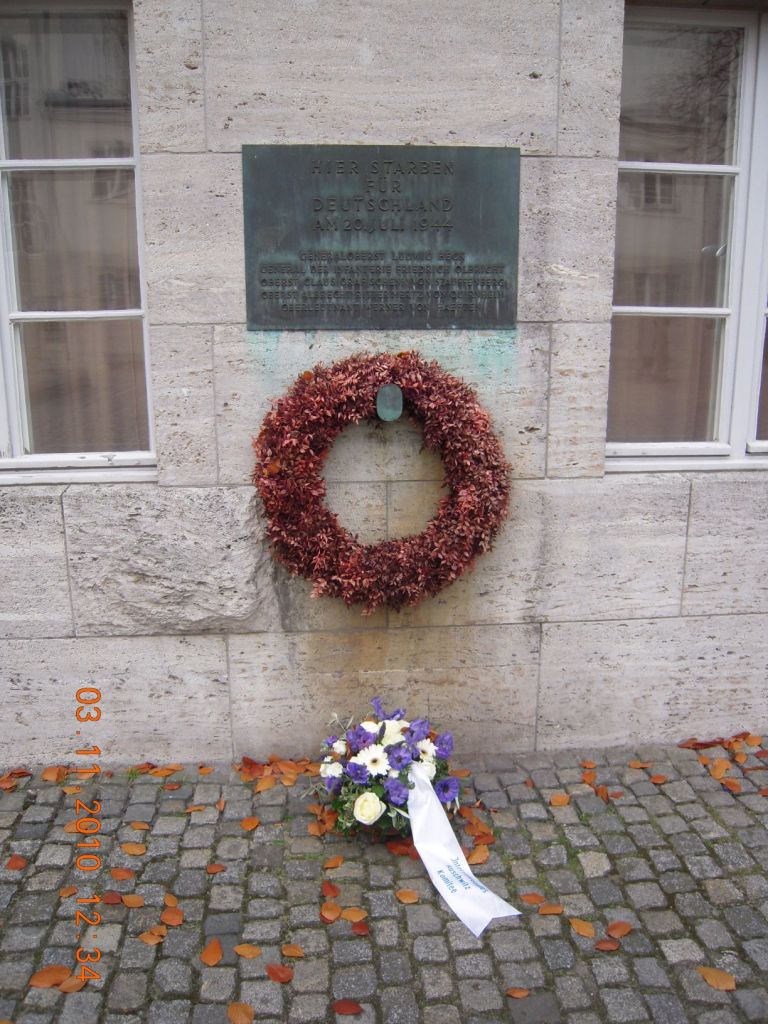
Probably their last view although it was at night and they would have been blinded to some extent by the truck headlights used to illuminate the scene:
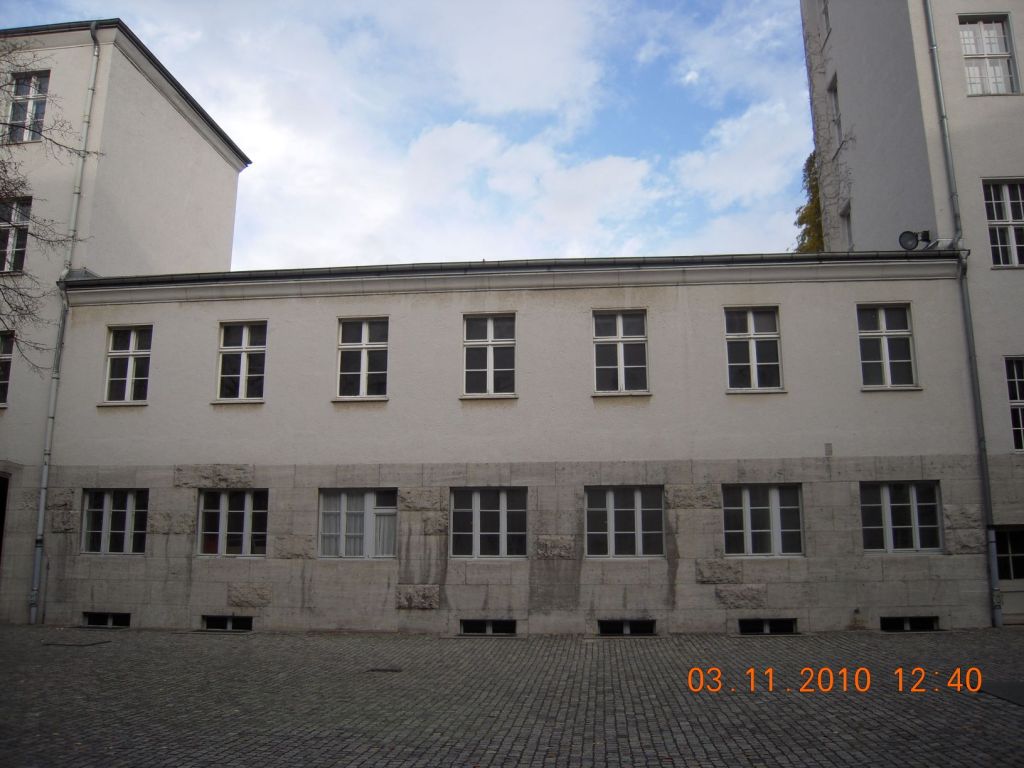
Let’s go in. Remember you are welcome to walk all through the area where the conspirators worked. You won’t be challenged but you may have to wait for school groups to finish listening to a lecture/looking at their phones. You will be walking through the same doorways and up the same stairs as von Stauffenberg, Fromm, Olbricht et al (and the SS who came to end the insurrection). If you go on a weekday, around midday, it can be very quiet and you almost feel the oppressive nature of the place. Well I did anyway.

You can see a period photo of von Stauffenberg’s office here:
https://www.gdw-berlin.de/en/site_of_remembrance/the_bendler_block/
And here it is today:
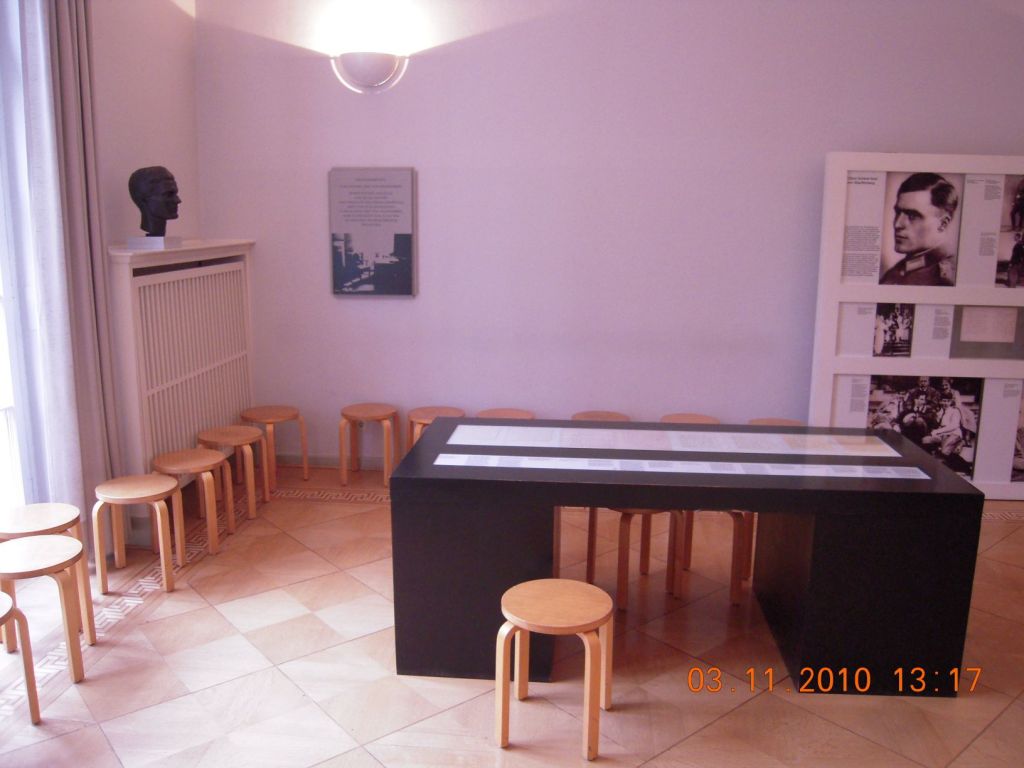
Two things you might notice. If you compare the original photo to von Stauffenberg’s office (in the link above) with the one above, you will notice that the heaters appear to be original – but when you get there, check out the floor. Interesting pattern in the parquetry:

I can’t believe that this hasn’t been ripped up – not that I think it should be. The powers that be have gone to great lengths to sanitise much of the history of these places (for obvious reasons) to the extent of banning the swastika on original aircraft, for example, but this has gone unchanged.
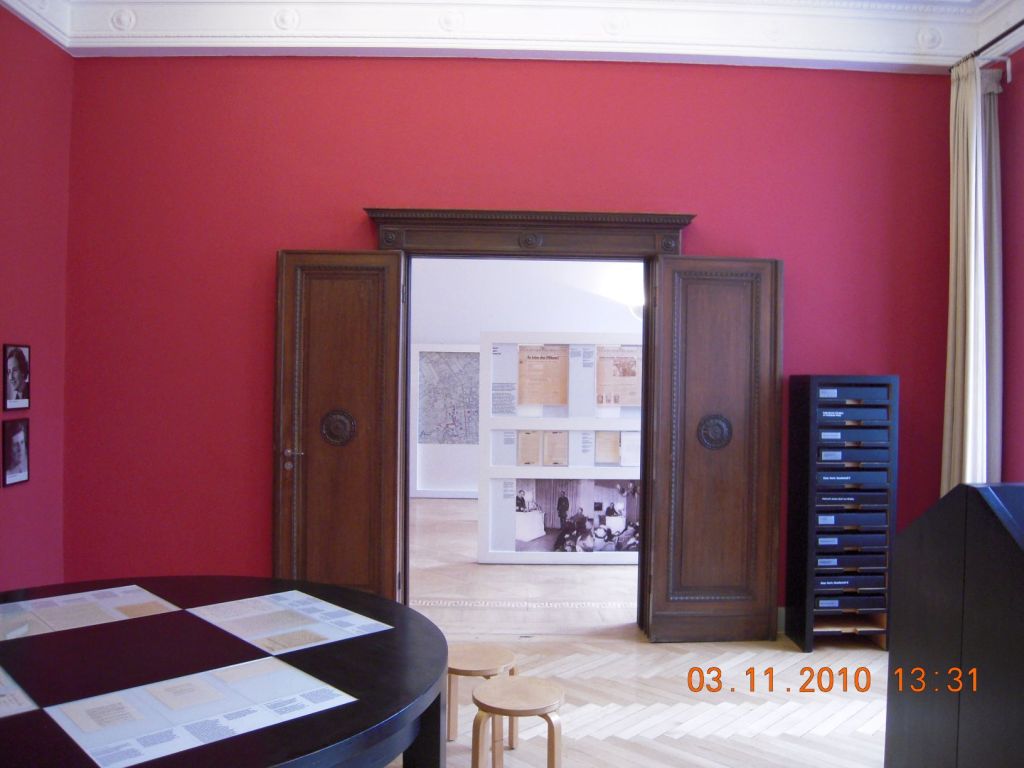
The various rooms have a great deal of documentation on the walls indicating who was where and what had happened. For example:

There is similar documentation for each of the conspirators and it’s worth remembering the high drama of that night in July 1945. You may find yourself standing in the very room where Generaloberst Ludwig Beck shot himself in an unsuccessful attempt at suicide. I think this is the very room but am happy to be contradicted:
A few final thoughts:
For those who are interested in such things, it’s worth knowing the Helmuth Weidling used this building as his HQ during the final battle for Berlin and it was from here that he set out to surrender to the Russians. Also, as much as I hate to admit it, I think the Tom Cruise ‘Valkyrie’ movie was surprisingly good (and uncharacteristically accurate):
https://en.wikipedia.org/wiki/Valkyrie_(film)
AFAIK, there are no known gravesites for the conspirators although there are a number of memorials. Ironically, perhaps, there are two memorials to plotters in the Invaliden Cemetery (which we will visit if I ever get my finger out). Where’s the irony? The memorials are in the same cemetery as one of their victims:


We will visit Moabit Prison if I ever get organised but for now we must leave the Bendlerblock, turn right into Stauffenbergstrasse and head towards the Shell House and a search for railings!










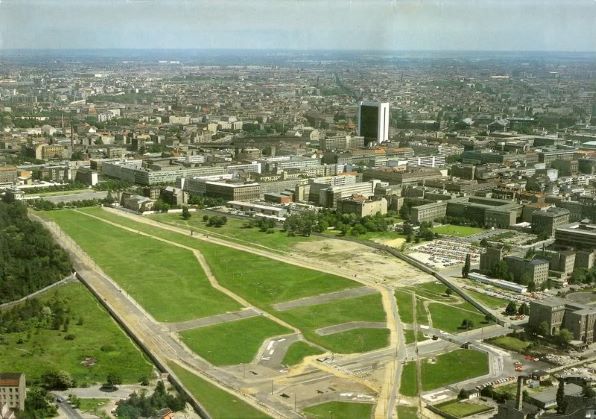


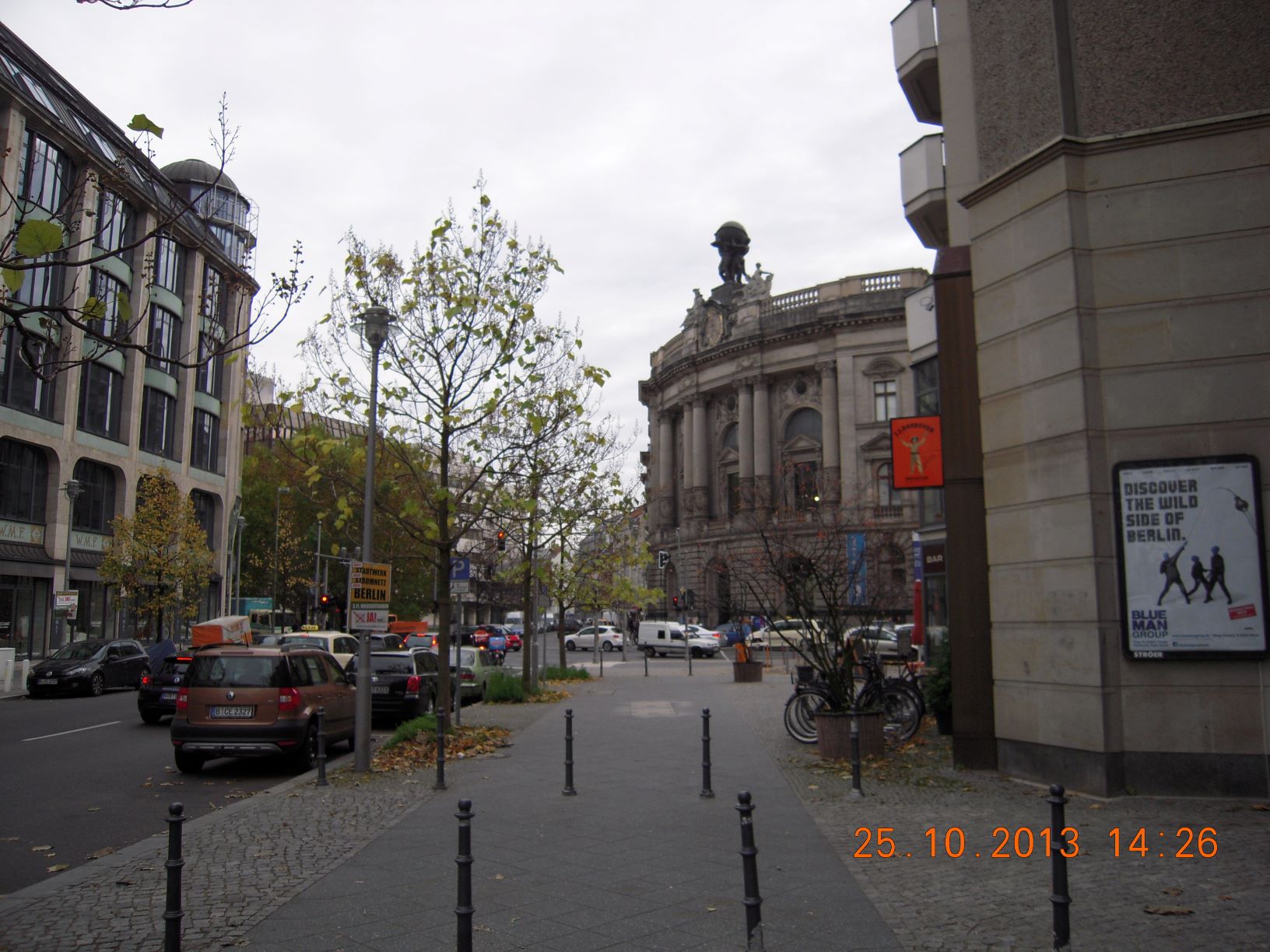

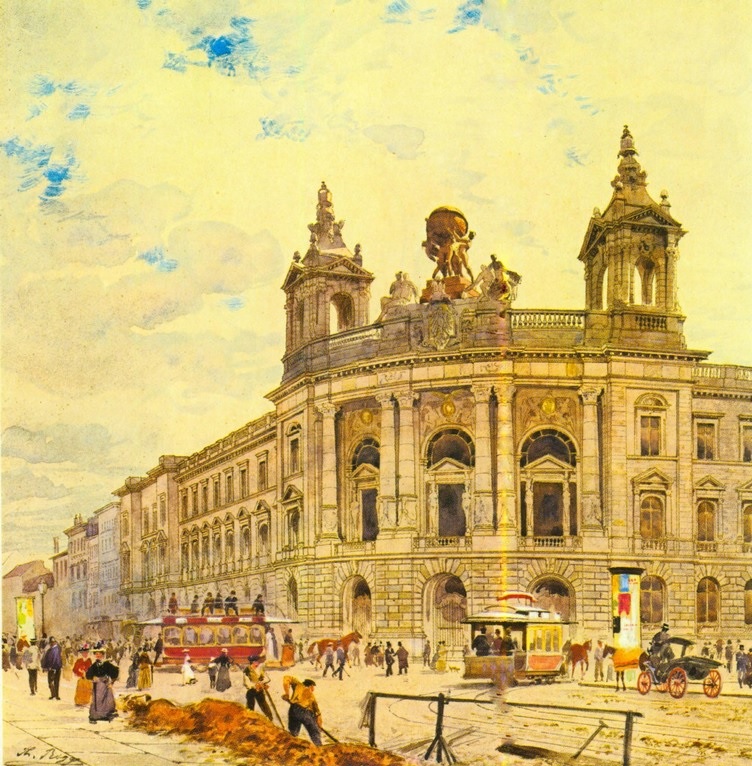


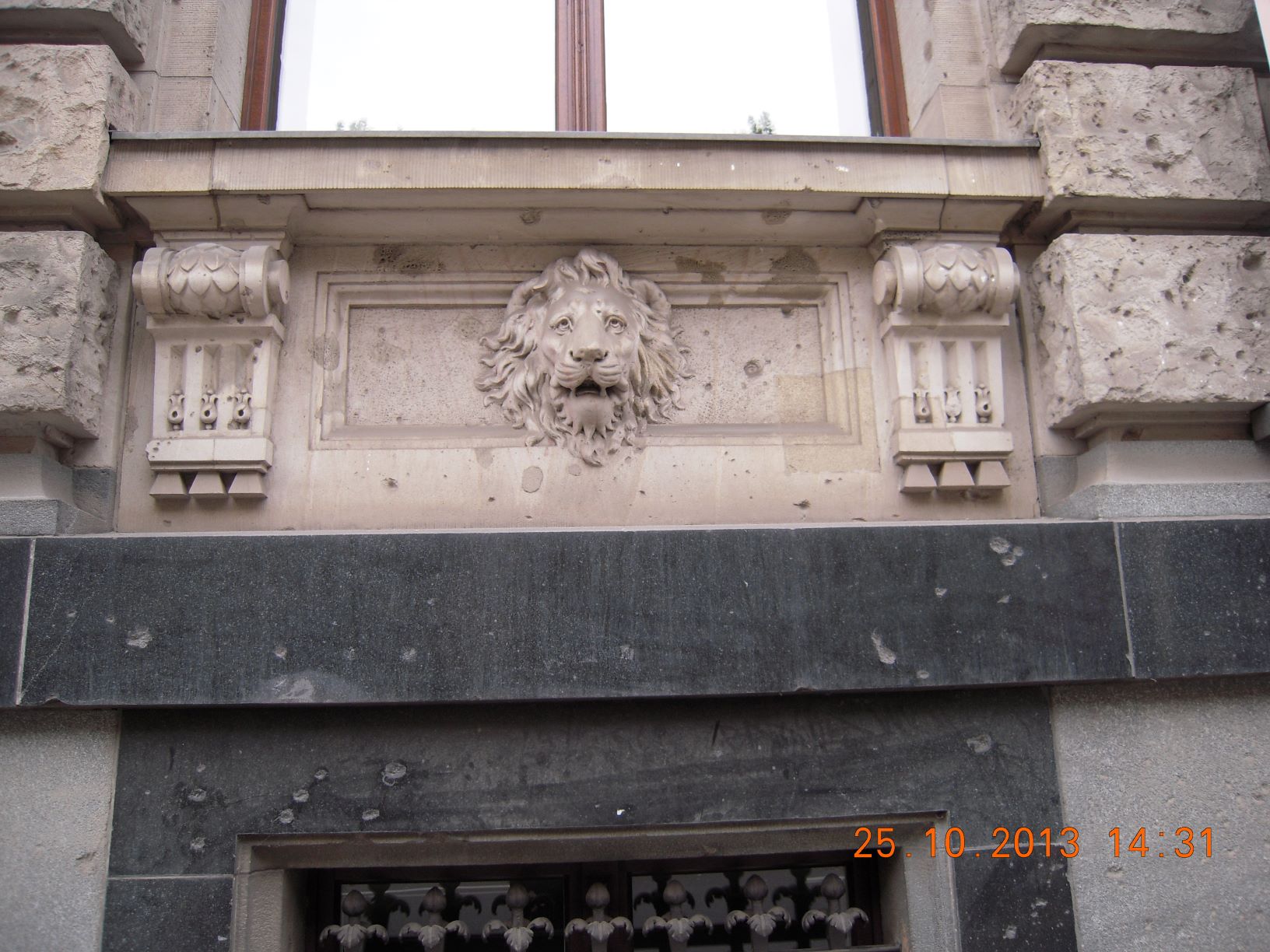









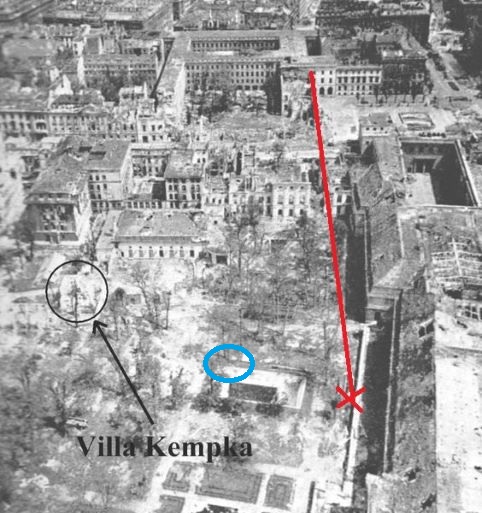

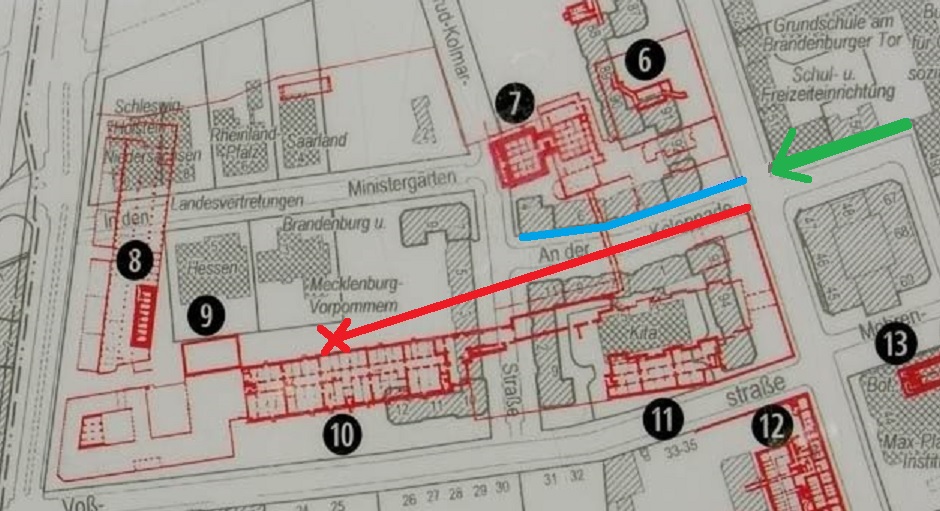
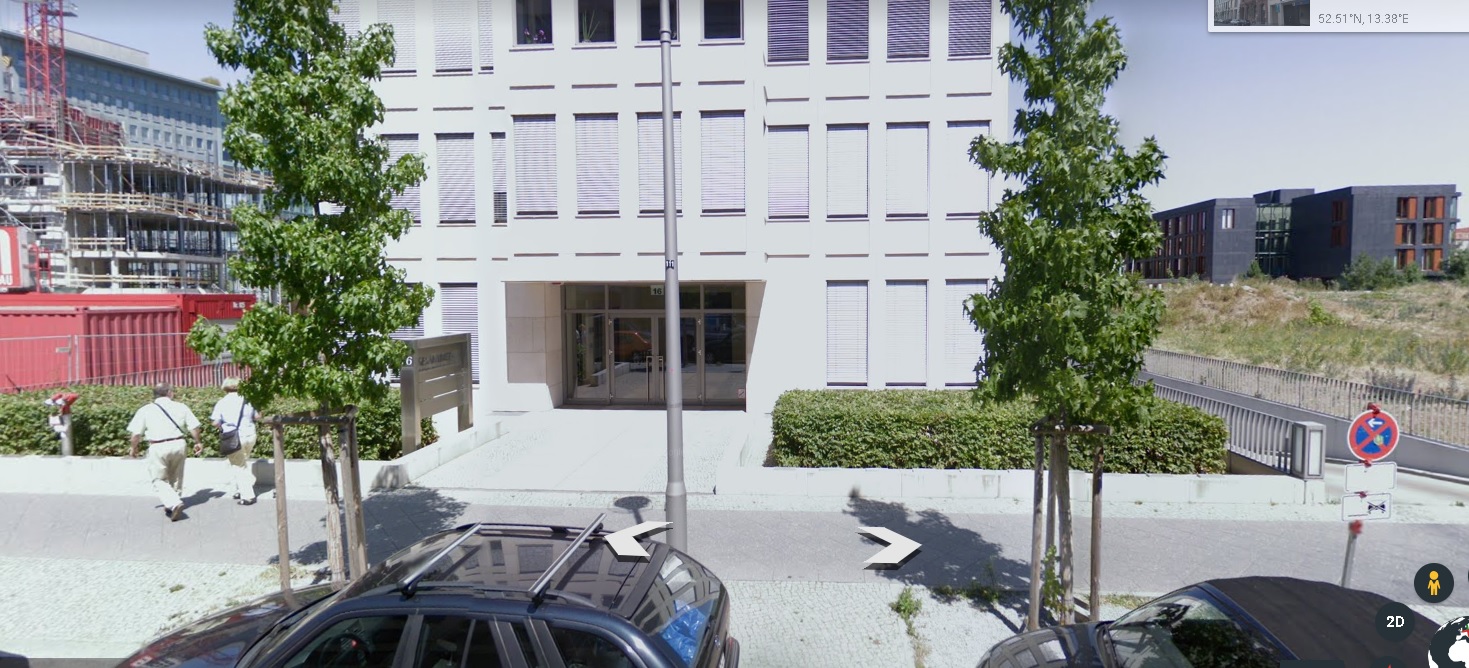
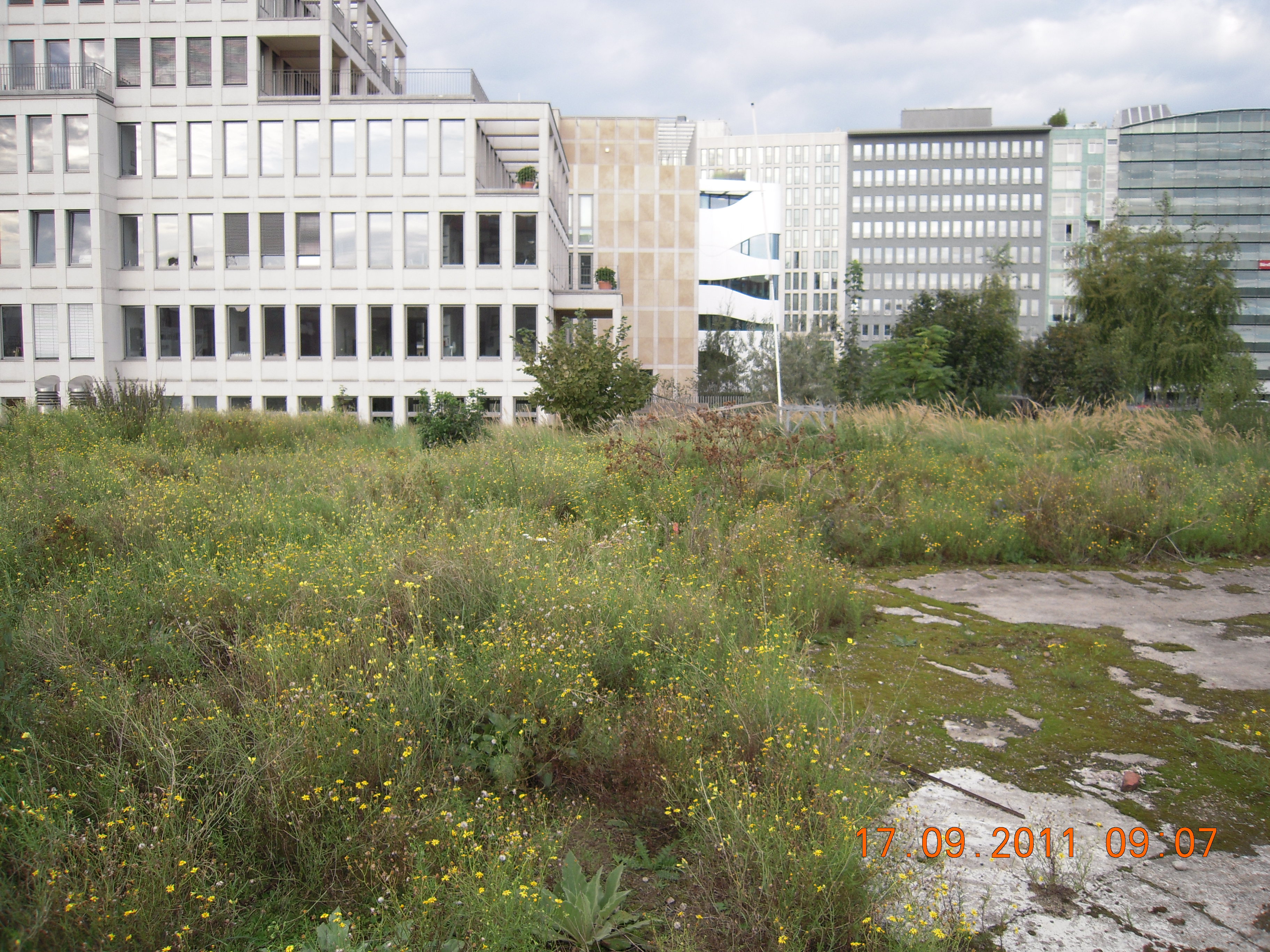
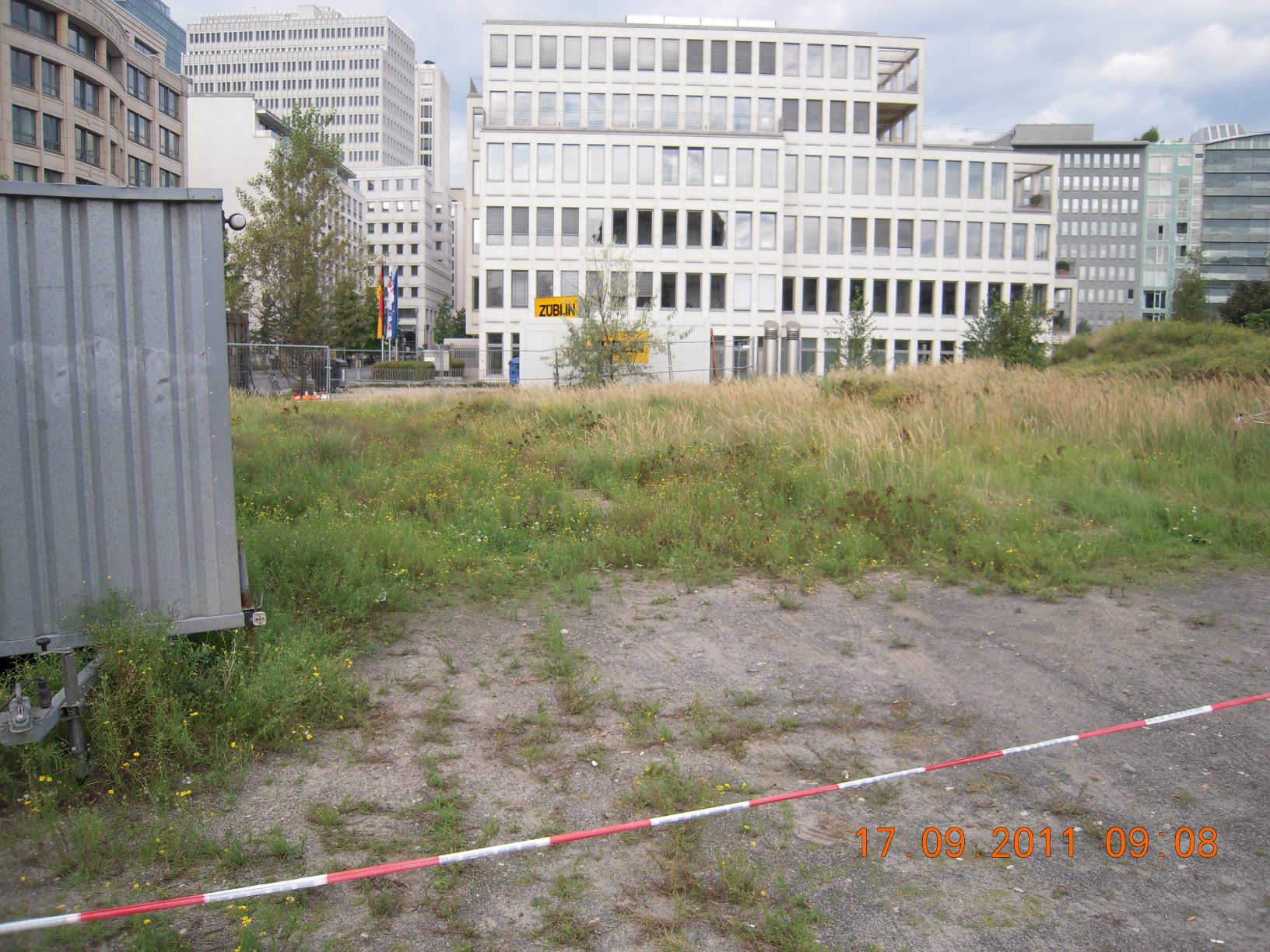
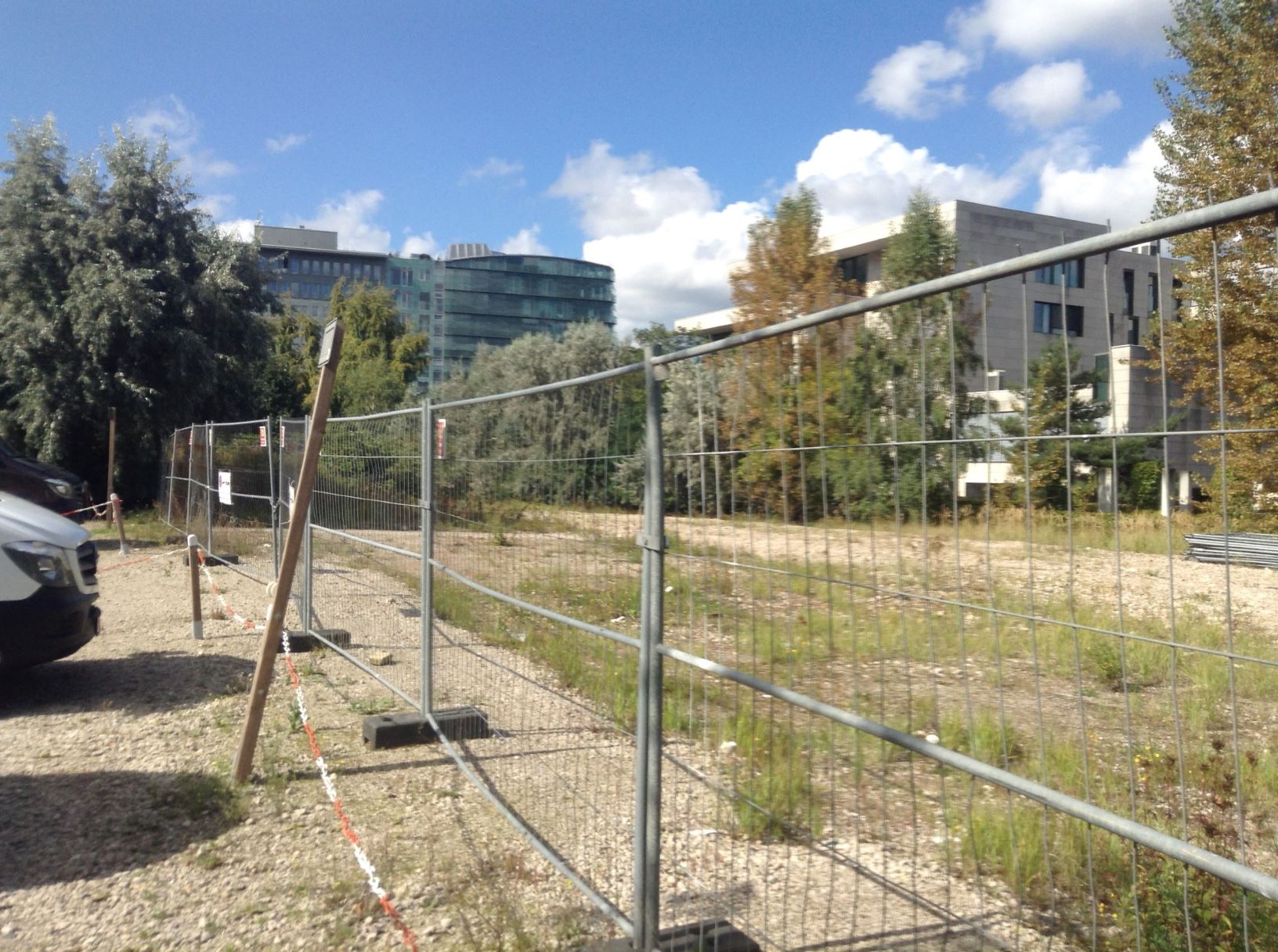


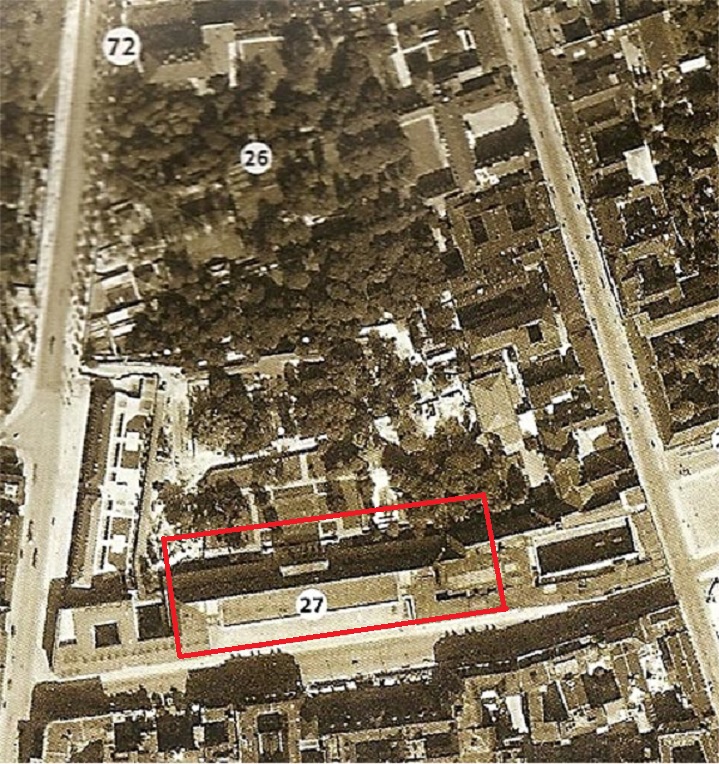
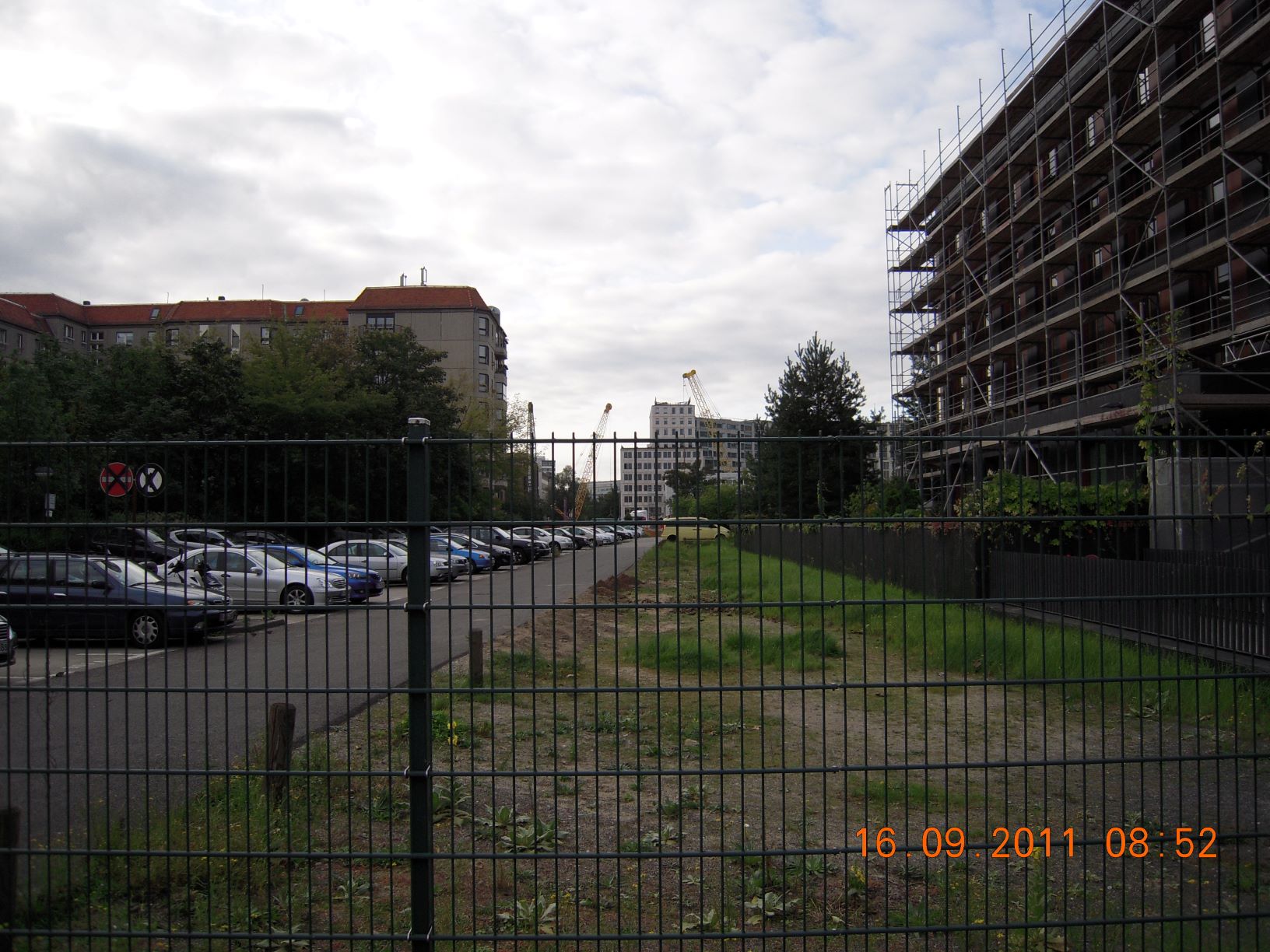
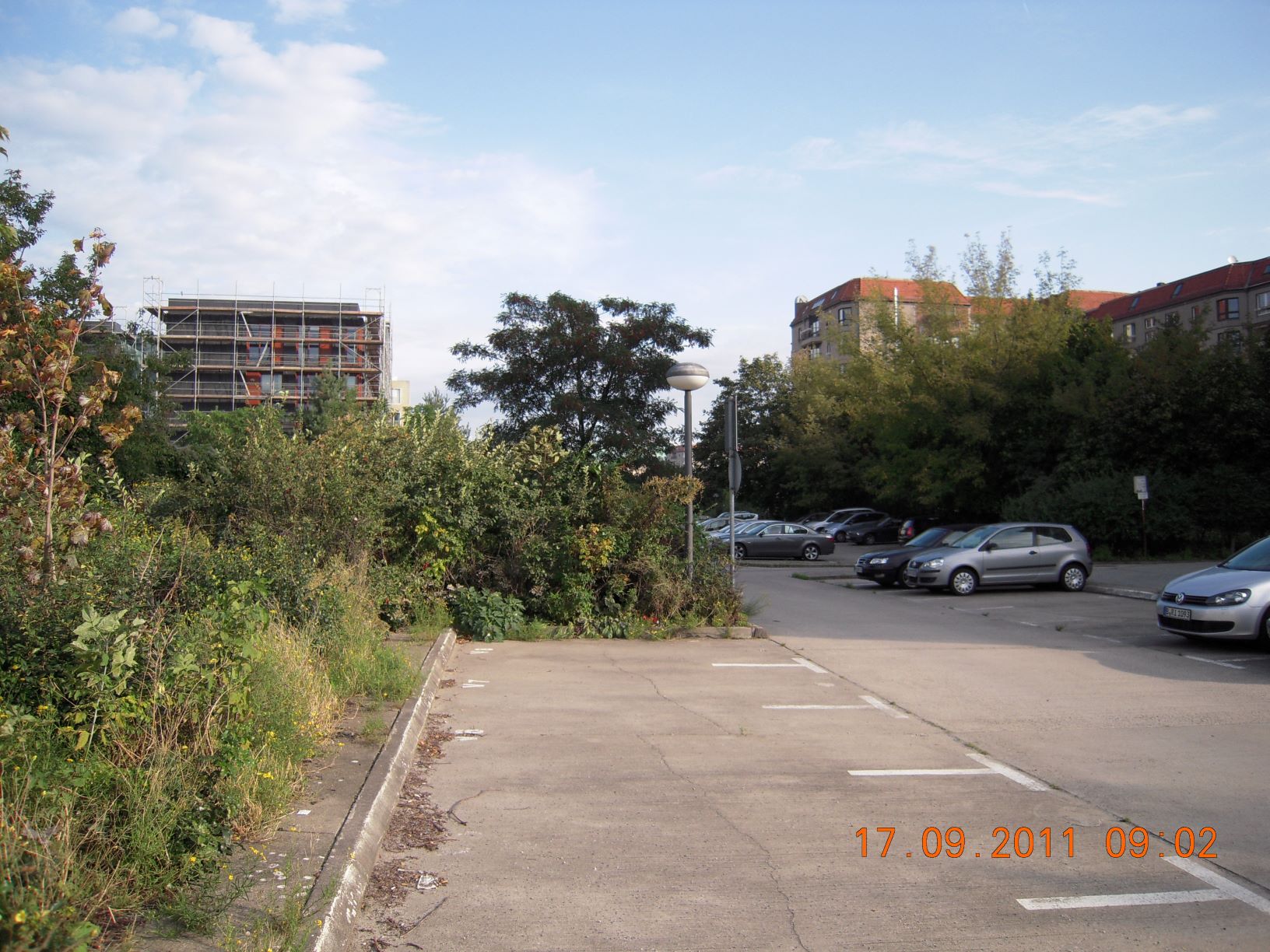
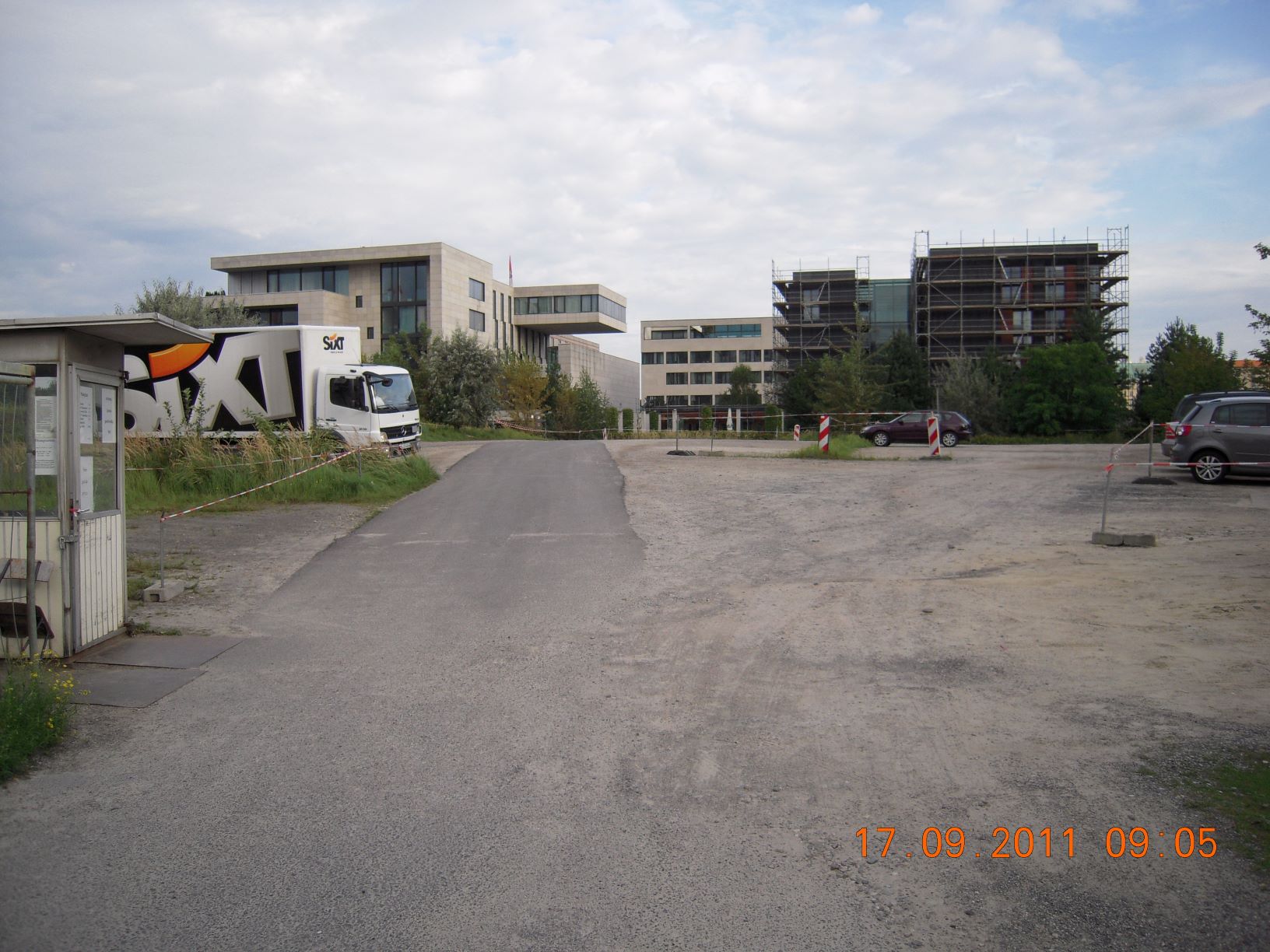
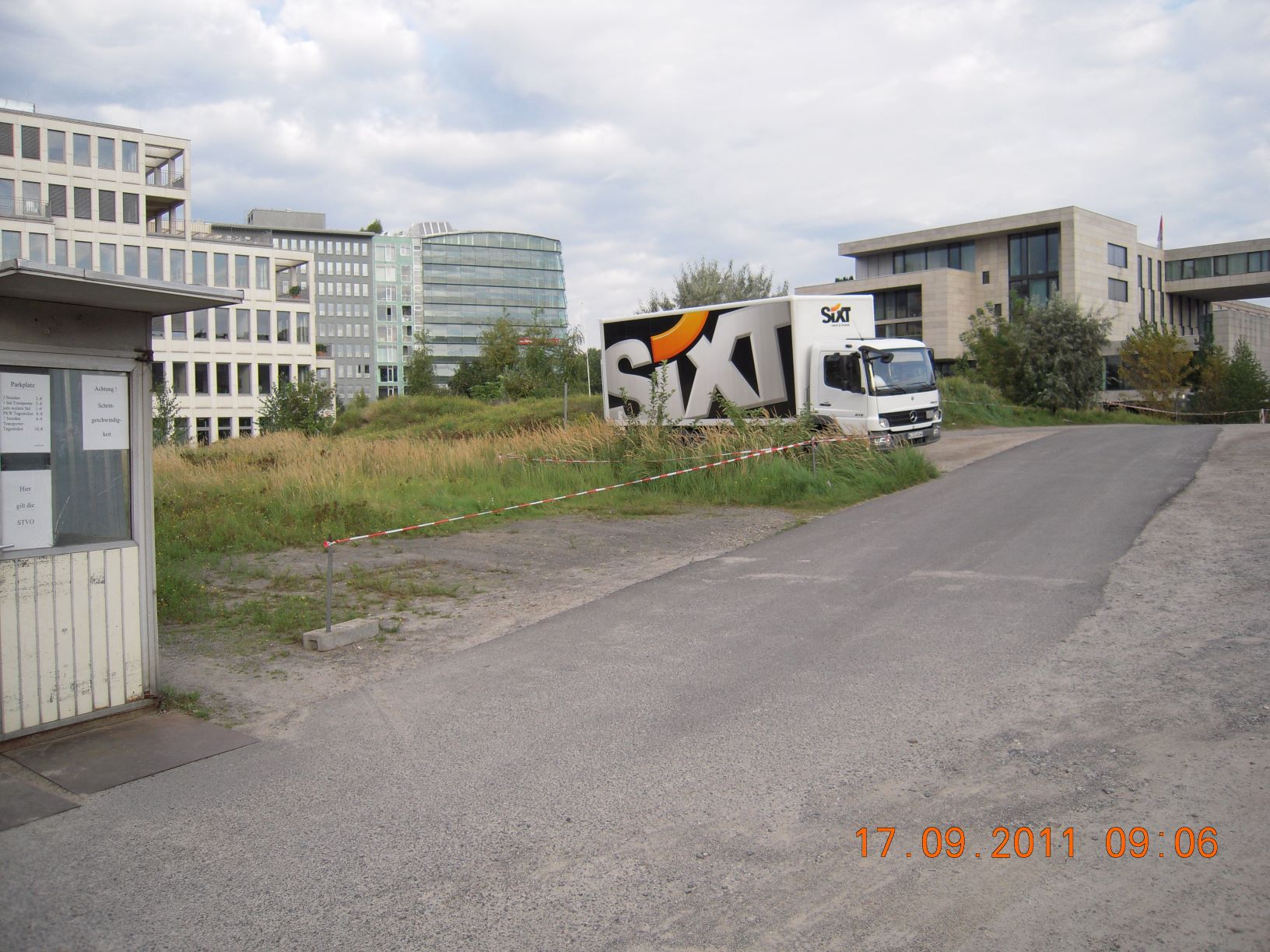
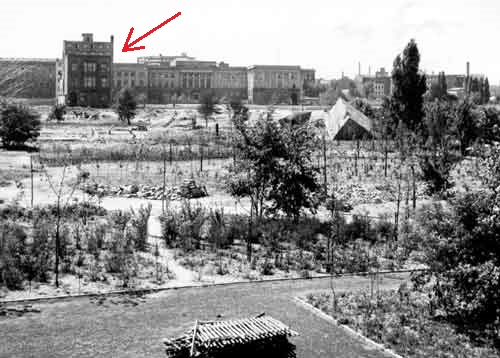
 Not very clear but the red line in the photo on the left shows the placement of the “hump”, i.e. Hitler’s bunker, and the distance to Voss-Strasse. The red circle in this Google Earth photo shows the same placement and distance.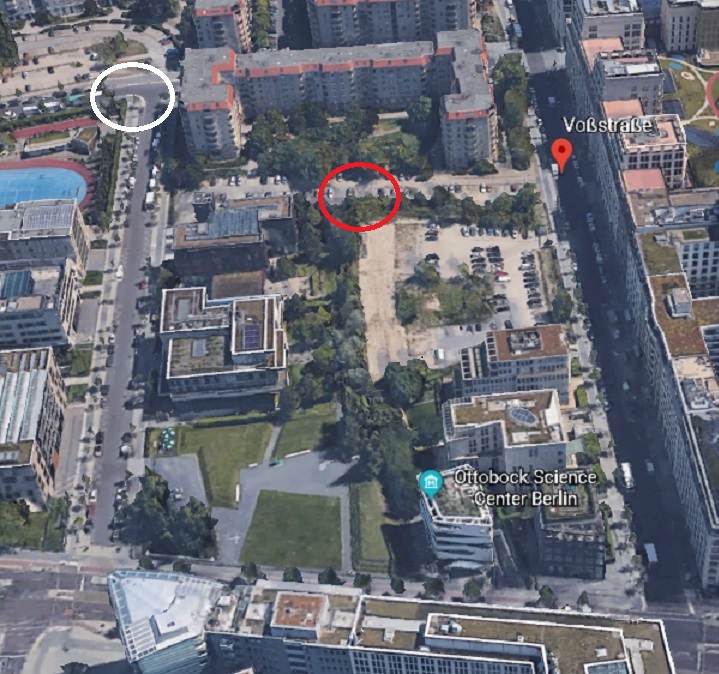




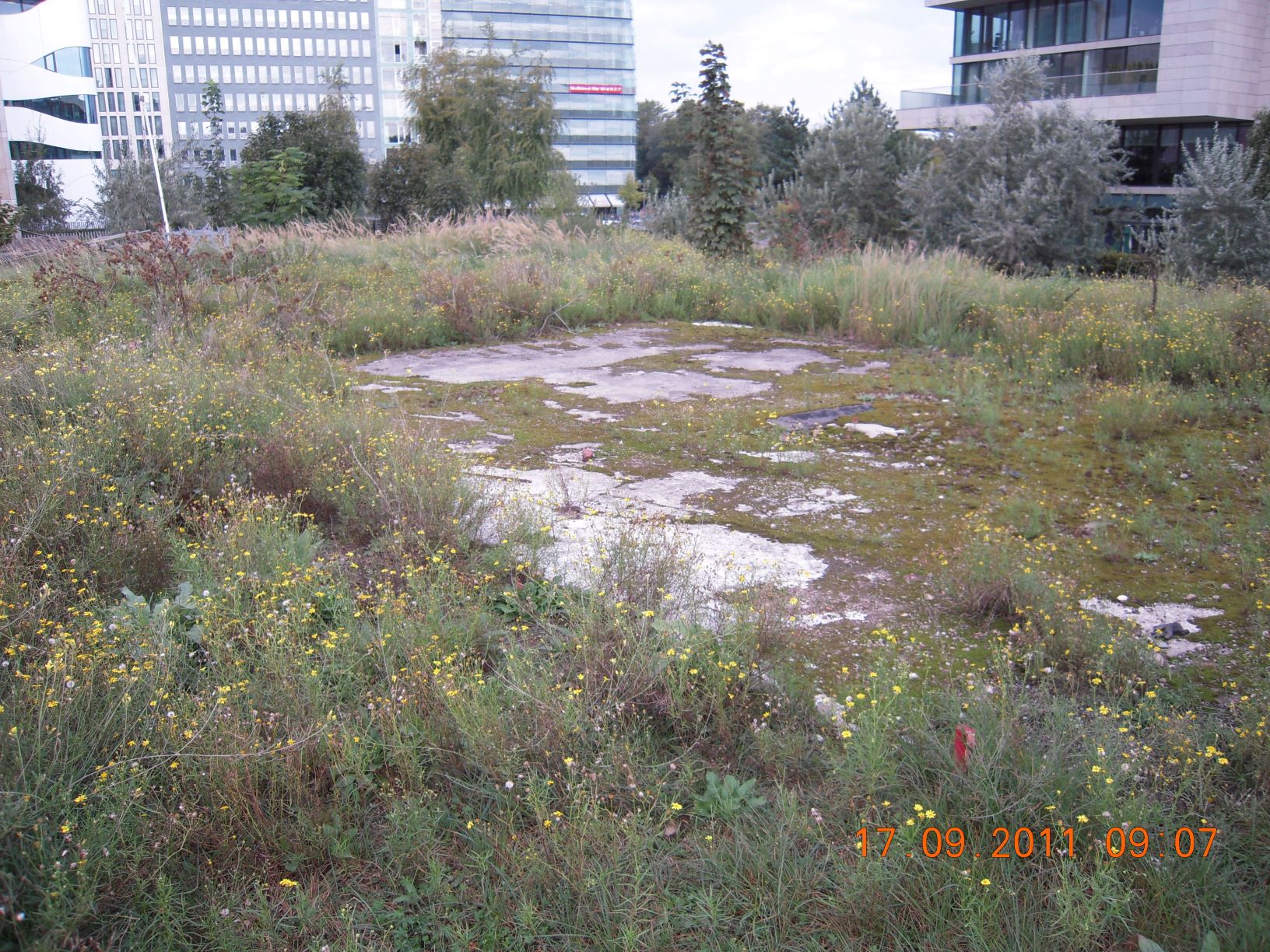


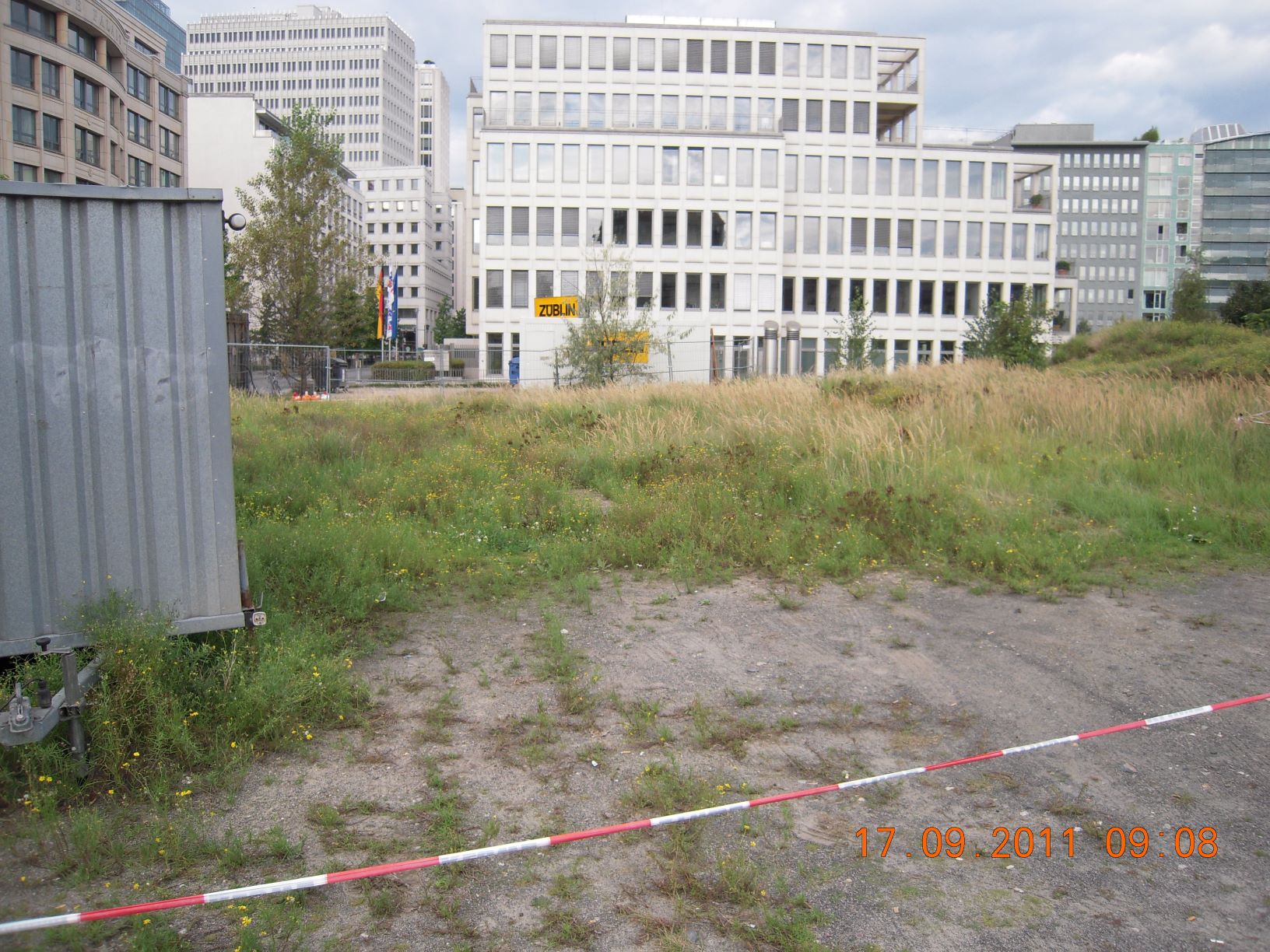
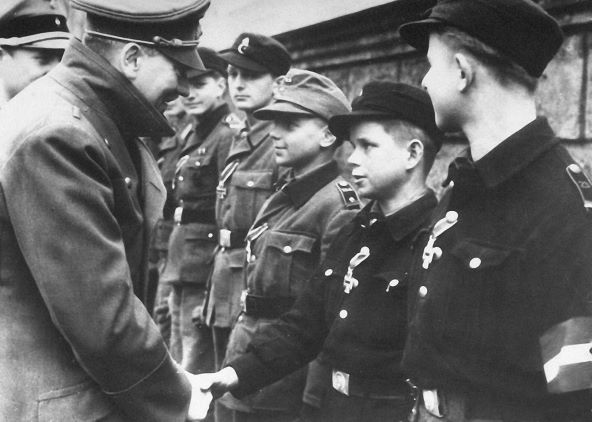





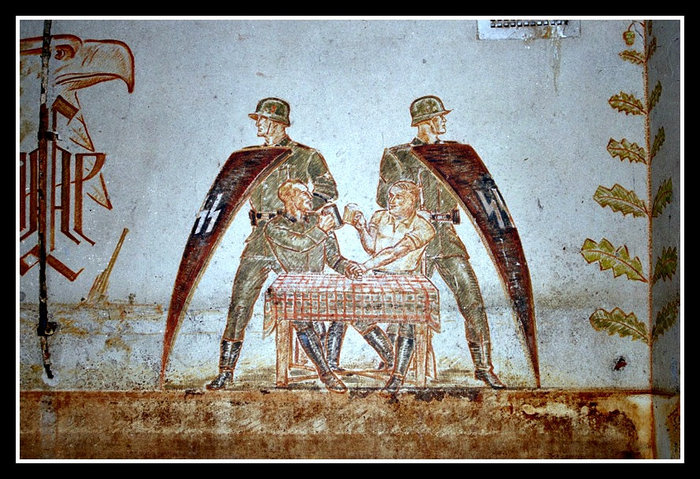
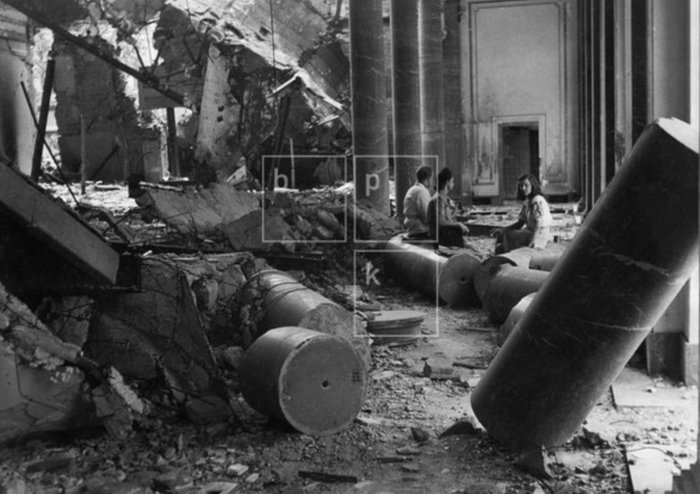
 Notice the damaged sconce on the wall behind them (below). That would fetch a pretty penny on the collector’s market (but don’t forget my advice about collecting this stuff). I would have expected a genuine NRK sconce to have reached more than $6 000 even if it were auctioned in 2011 (scroll about half way down):
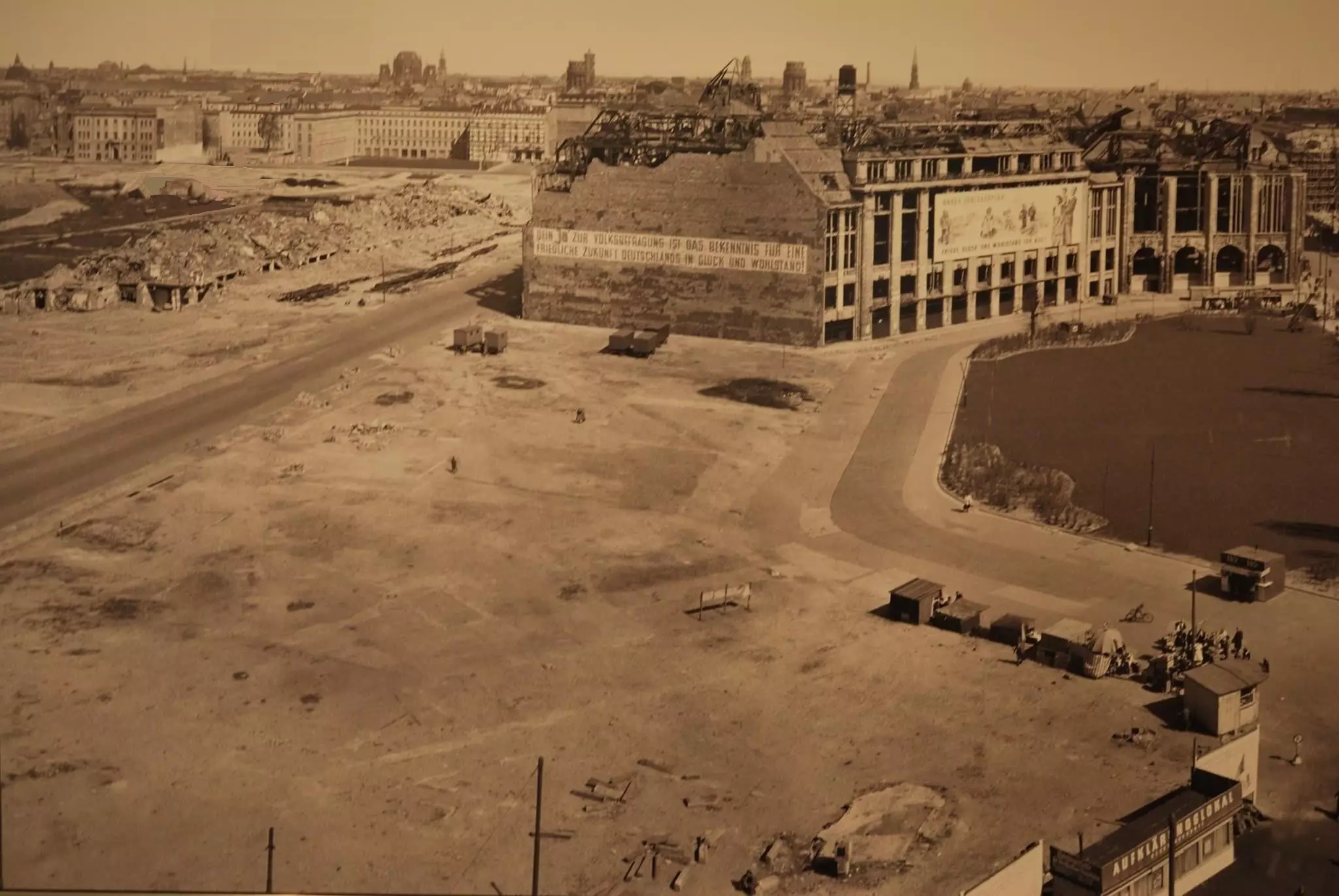
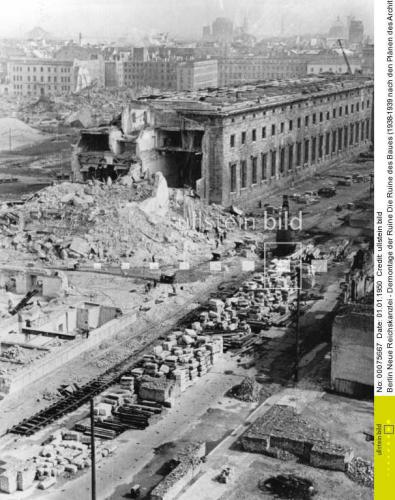
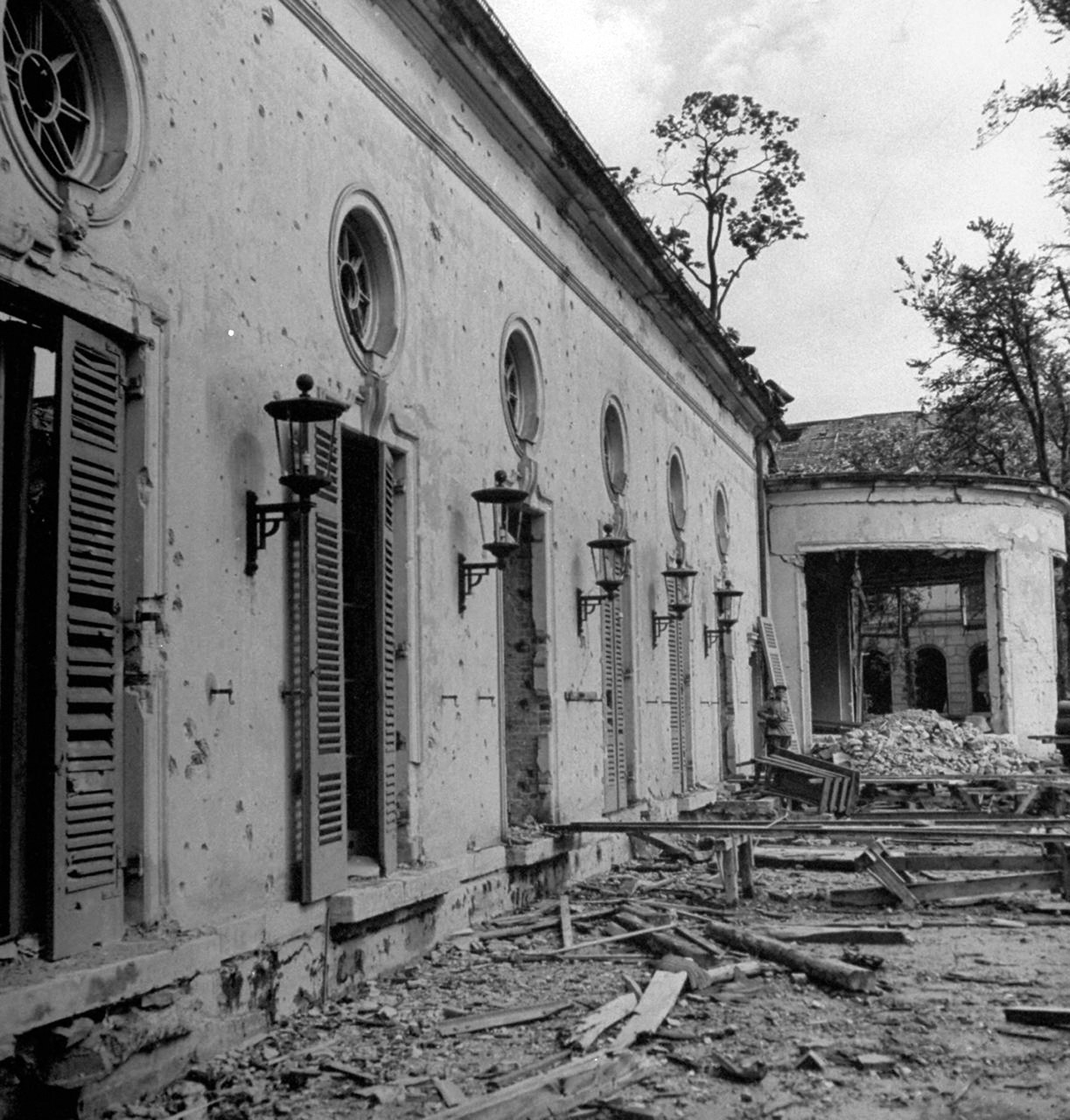
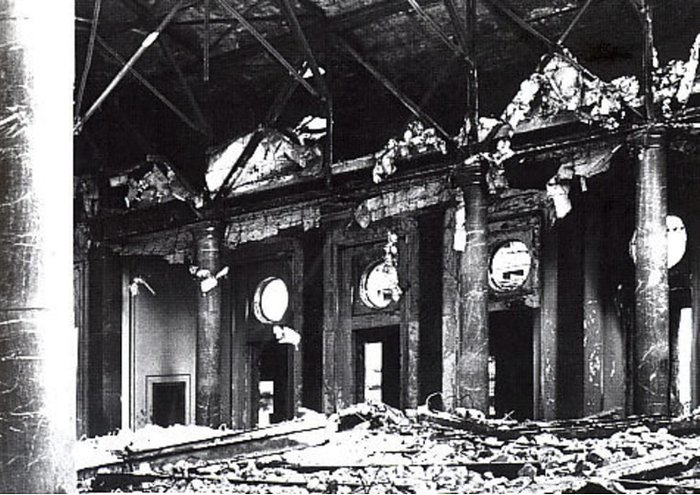
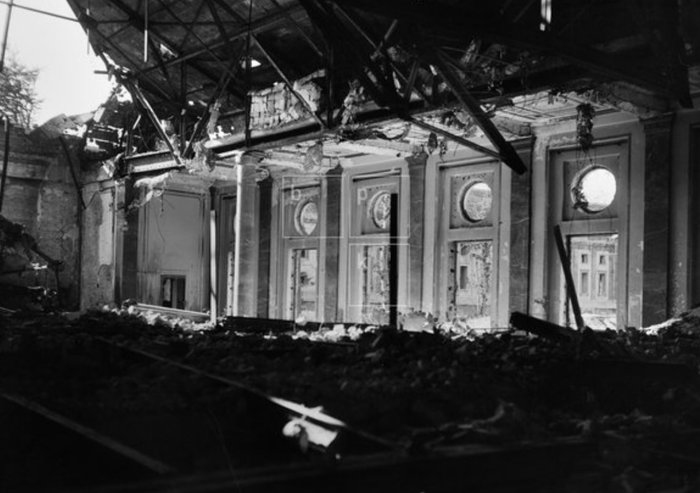
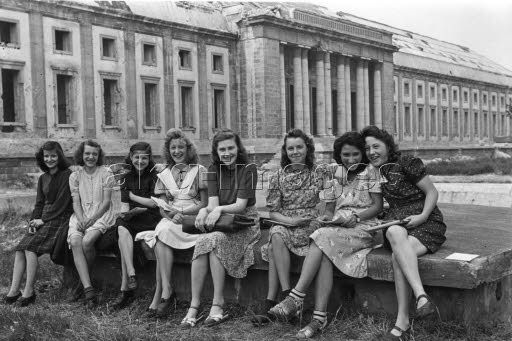
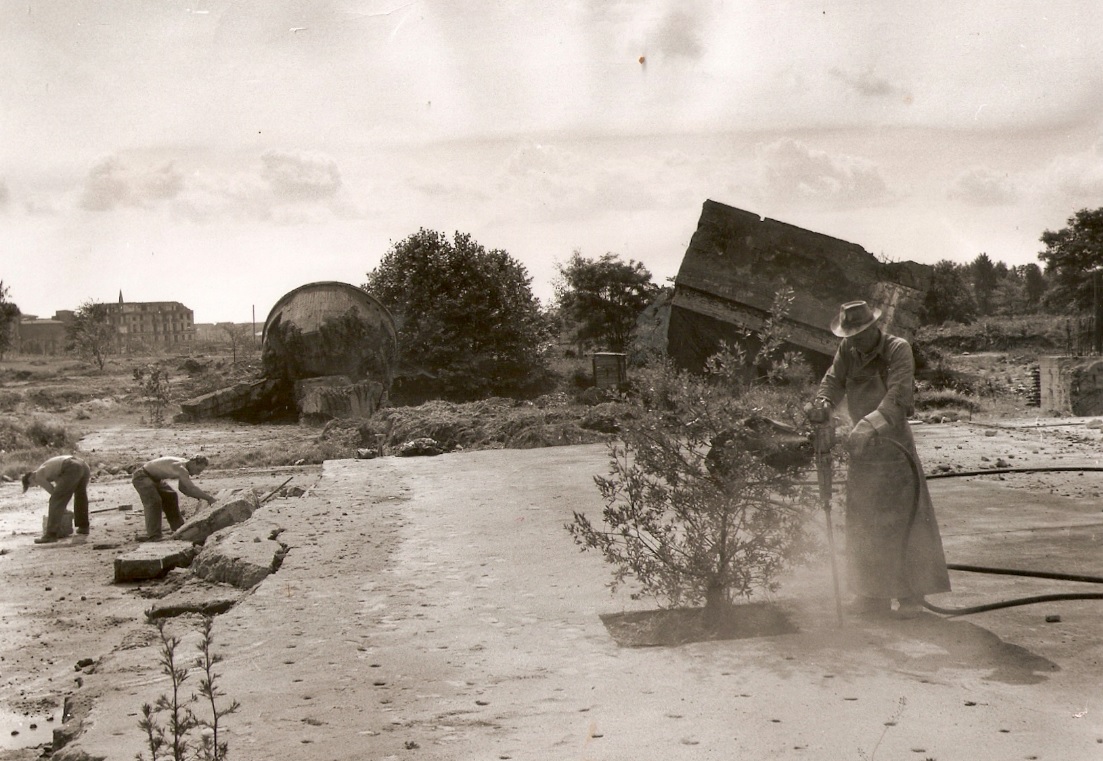
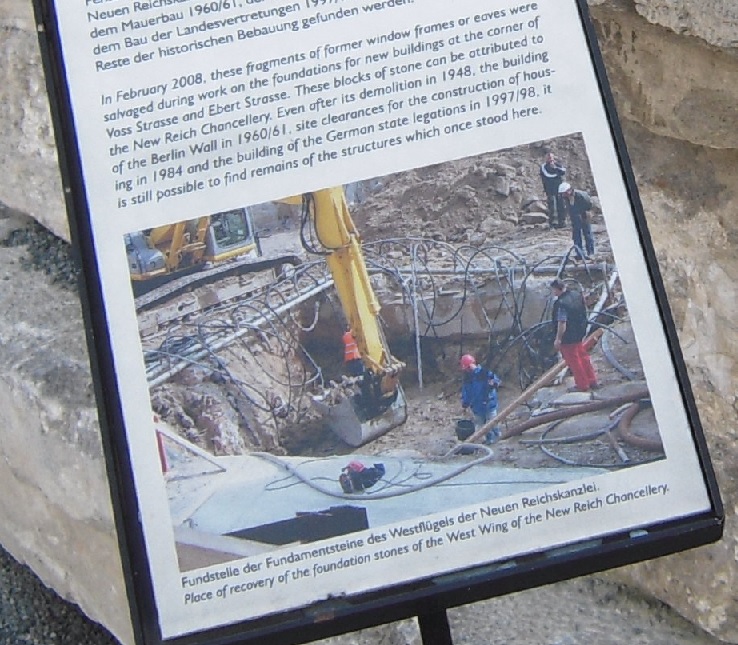
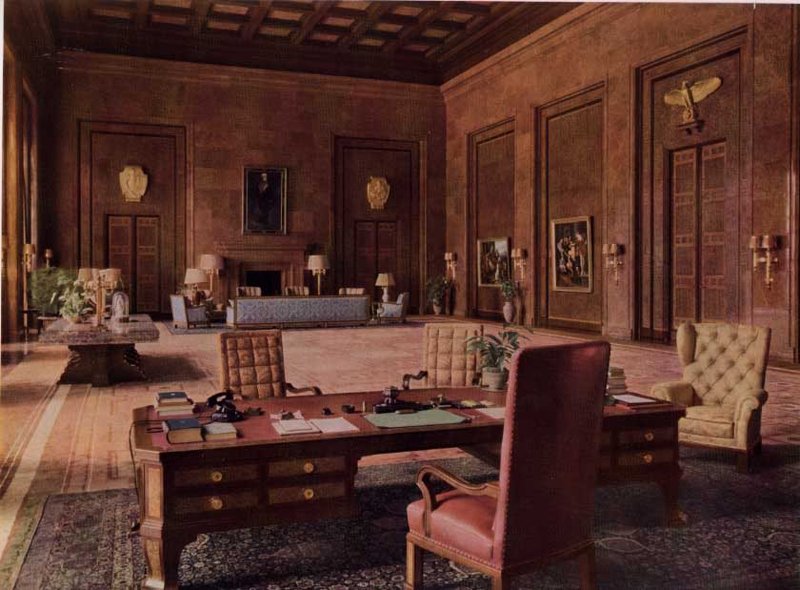
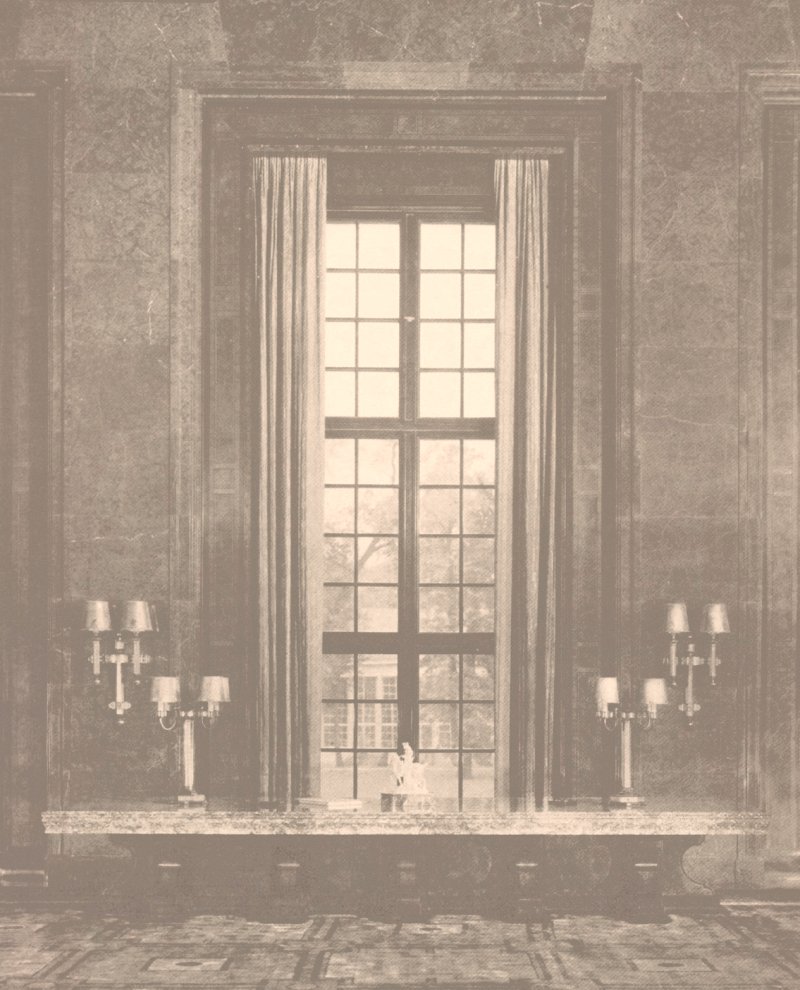
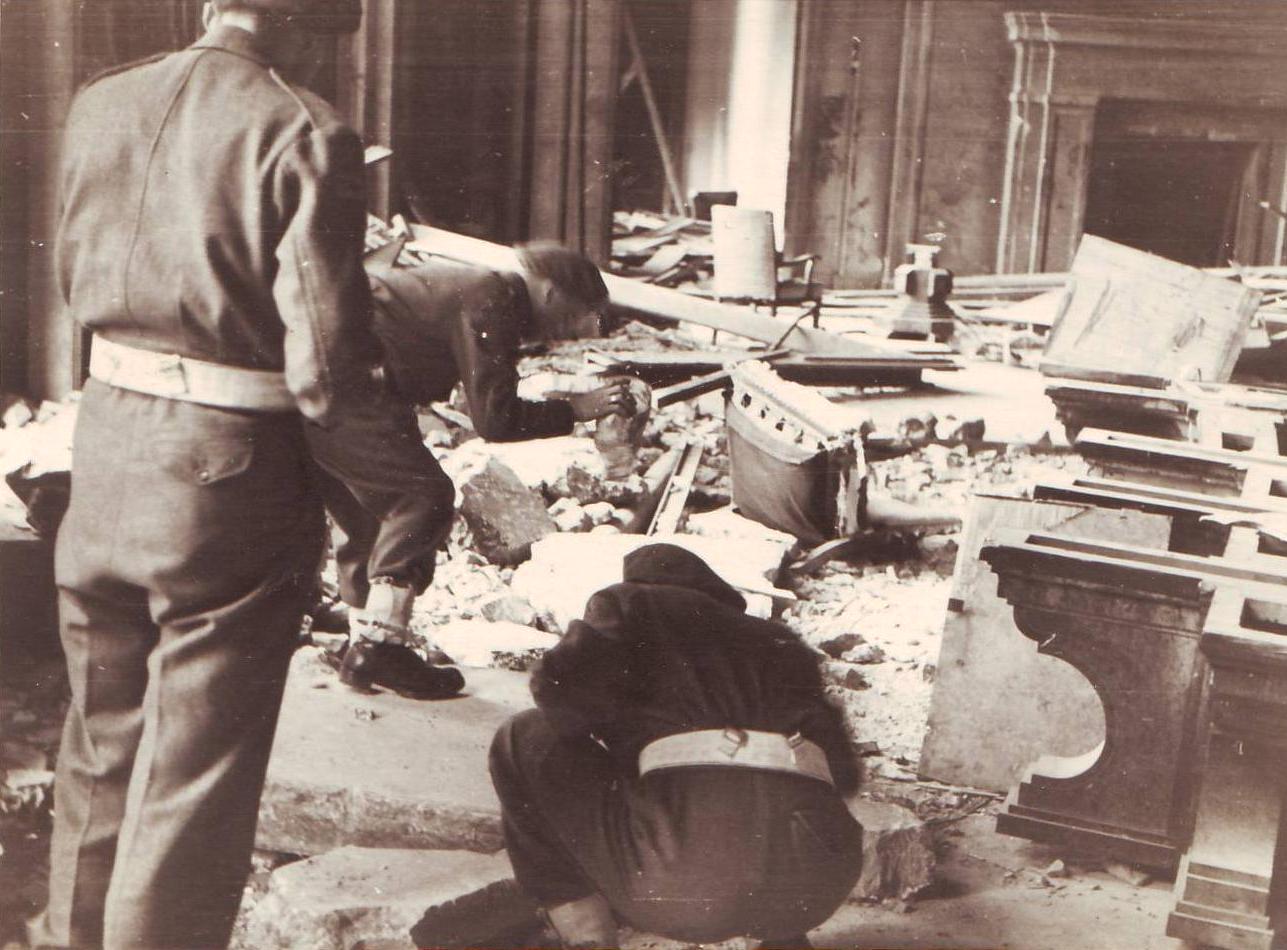
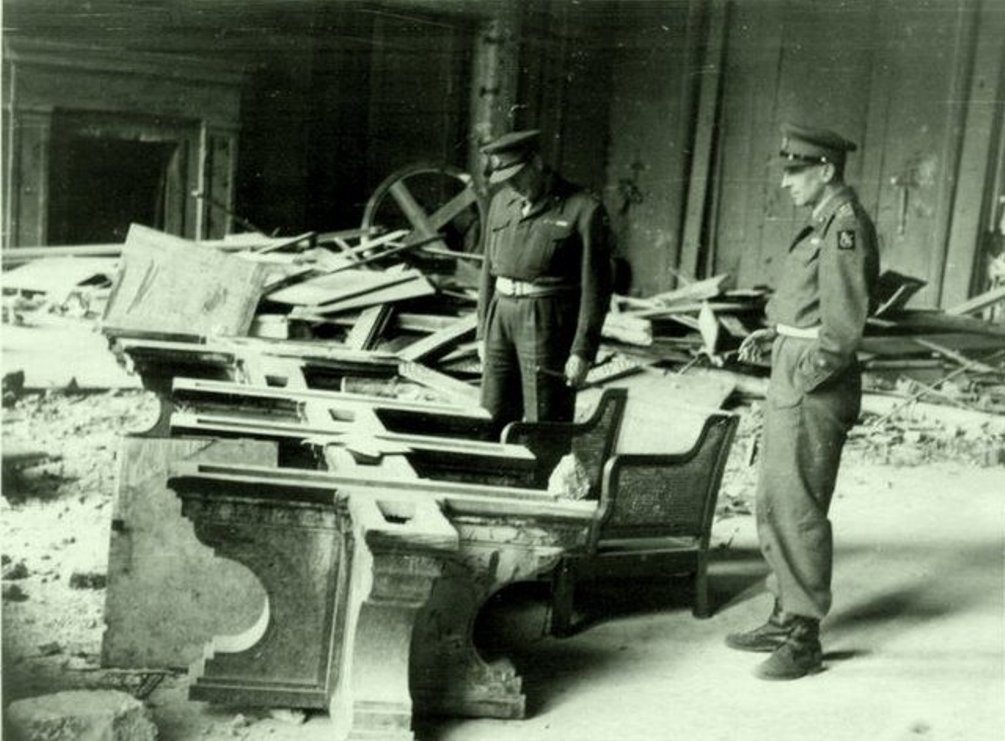
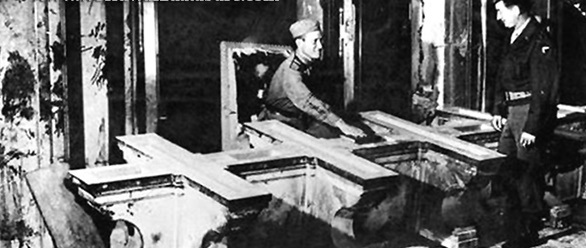
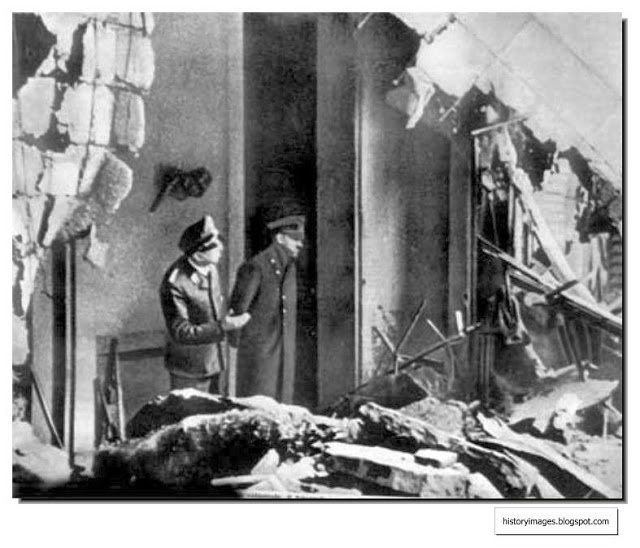 During the battle for Berlin the NRK was badly damaged (unlike the Air Ministry a little further down Wilhelmstrasse) although I have been unable to find any evidence of actual fighting inside the building despite such claims from some Soviet sources. German sources suggest that those who could leave pretty much did – or they shot themselves. The building was soon stripped of what was lootable and then fell into decay. As noted before, the marble from the Mosaic Hall was used to clad the Soviet memorial in Treptower Park and, IMO without doubt, Mohrenstrasse U Bahn station which at the time was renamed Thalmannplatz after the pre-war leader of the KPD. (It was re-named – again – in 1968 as Otto-Grotewohl-Strasse after the first German prime minister of the DDR). In 1949, the building was demolished using a narrow-track railway to remove rubble.
















 vossstrassedotcom